
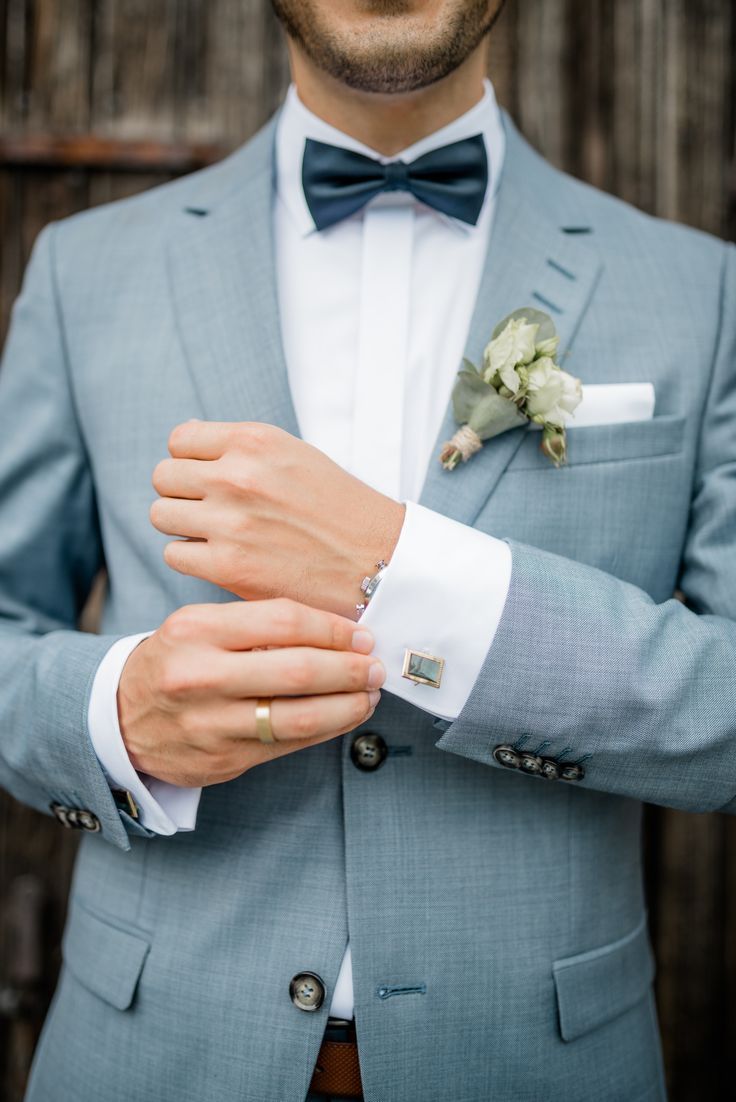
The Ultimate Guide to Men's Business Casual Suits
Dress with intention. Command every room. The business casual suit is the modern gentleman's most powerful tool — versatile enough for the boardroom, refined enough for after-hours.
1. What Is Business Casual, Really?

The term business casual sits at the intersection of professionalism and personal style — a dress code that has evolved dramatically over the past two decades. For men, it no longer means simply removing a tie. Today, it represents a curated, intentional approach to dressing that signals confidence, taste, and cultural awareness.
At its core, men's business casual revolves around the suit jacket or blazer as the anchor piece, paired with trousers or chinos that complement without matching exactly. The result is a look that reads polished in a client meeting yet relaxed enough for a working lunch or creative brainstorm.
Key distinctions from formal business attire:
- No mandatory tie — though a knit tie or silk pocket square adds a refined touch
- Trousers can be chinos, dress pants, or tailored wool slacks
- Footwear ranges from Oxford brogues to clean leather loafers or Chelsea boots
- Shirts may be dress shirts, fine-knit polos, or structured turtlenecks
2. The Foundation: Choosing the Right Suit

Not all suits are created equal — and for business casual dressing, the cut, fabric, and colour of your suit jacket are everything. The goal is a jacket that works as a standalone piece, not one that looks incomplete without its matching trousers.
The Best Cuts for Business Casual
- Slim Fit: The modern standard. Tapered through the chest and waist, it projects a sharp, contemporary silhouette without restricting movement.
- Regular Fit: Timeless and universally flattering. Ideal for broader builds or those who prefer ease of movement throughout a long workday.
- Tailored Fit: The sweet spot between slim and regular — structured at the shoulders, with a gentle taper. Our most recommended cut for business casual versatility.
Fabric Guide by Season
- Wool (year-round): The gold standard. Breathable, wrinkle-resistant, and drapes beautifully. Super 100s–120s wool is ideal for business wear.
- Linen (spring/summer): Lightweight and breathable. Embrace the natural texture — it's part of the charm.
- Cotton (spring/summer): Casual yet structured. Works well for creative industries and warmer climates.
- Tweed & Flannel (autumn/winter): Rich texture and warmth. Adds depth and character to cooler-weather looks.
3. The Essential Colour Palette

Colour is the silent language of style. For business casual dressing, a well-considered palette ensures maximum versatility and a consistently elevated appearance.
Anchor Colours (Build Your Wardrobe Around These)
- Navy Blue: The undisputed king of business casual. Pairs with virtually everything — grey trousers, khaki chinos, white or light blue shirts. Conveys authority and approachability in equal measure.
- Charcoal Grey: Sophisticated and serious. Slightly more formal than navy, making it ideal for high-stakes meetings or client presentations.
- Mid Grey: Lighter and more relaxed than charcoal. Excellent for creative environments or Friday meetings.
Accent Colours (Use Strategically)
- Camel / Tan: Warm and distinctive. A camel blazer over navy trousers is a classic power move.
- Burgundy: Rich and confident. Best reserved for autumn/winter and creative industries.
- Forest Green: An emerging staple for the modern professional. Pairs beautifully with grey and cream.
4. Mastering the Art of Mixing & Matching

The true power of business casual lies in its mix-and-match potential. A well-chosen blazer can anchor dozens of different outfits across a working week. Here are five proven combinations to build into your rotation:
| Jacket | Trousers | Shirt | Shoes | Occasion |
|---|---|---|---|---|
| Navy Blazer | Grey Wool Trousers | White Dress Shirt | Black Oxford | Client Meeting |
| Charcoal Blazer | Khaki Chinos | Light Blue OCBD | Tan Suede Loafer | Office / Creative |
| Grey Herringbone | Navy Slim Trousers | White Turtleneck | Chelsea Boot | Autumn / Winter |
| Camel Blazer | Dark Navy Chinos | Cream Dress Shirt | Brown Brogue | Business Lunch |
| Navy Suit Jacket | Matching Suit Trousers | Fine Knit Polo | White Leather Sneaker | Casual Friday |
5. The Details That Define Excellence

In menswear, the difference between good and exceptional lies entirely in the details. These finishing touches elevate a business casual look from merely presentable to genuinely memorable.
The Pocket Square
Never underestimate the power of a pocket square. A white linen square in a flat fold is the safest, most elegant choice. For more personality, try a silk square in a puff fold — just ensure it complements rather than matches your tie or shirt exactly.
Fit Is Everything
No detail matters more than fit. A suit jacket should sit cleanly at the shoulder seam — no divots, no overhang. The chest should button without pulling. Sleeve length should reveal approximately 1–1.5cm of shirt cuff. Trouser break should be minimal to none for a modern silhouette.
Footwear Hierarchy
- Oxford (Cap-toe or Plain): Most formal. Ideal for important meetings.
- Derby / Brogue: Slightly more casual. Excellent for everyday business casual.
- Loafer (Leather or Suede): Relaxed elegance. Perfect for creative offices.
- Chelsea Boot: Modern and versatile. Works across seasons.
Watch & Accessories
A dress watch with a leather strap is the ideal companion to a business casual suit. Keep jewellery minimal — a quality watch, simple cufflinks if wearing French cuffs, and a leather belt that matches your shoes in tone.
6. Suit Care & Longevity

A premium suit is an investment — and like all investments, it rewards proper stewardship. Follow these principles to ensure your suits remain impeccable for years:
- Rotate regularly: Never wear the same suit on consecutive days. Wool needs 24–48 hours to recover its shape.
- Steam, don't iron: A handheld steamer removes wrinkles without damaging fibres. Reserve ironing for cotton shirts only.
- Hang properly: Use wide, shaped wooden hangers that support the shoulder structure. Never hang on wire hangers.
- Dry clean sparingly: Limit dry cleaning to 1–2 times per season. Frequent dry cleaning degrades fabric over time. Spot-clean where possible.
- Brush after wearing: A soft-bristle suit brush removes surface dust and lint, keeping the fabric fresh between cleans.
- Store in a breathable garment bag: Avoid plastic — it traps moisture. Use a cotton or linen garment bag for long-term storage.
7. Building Your Business Casual Wardrobe: A Strategic Approach

Rather than buying reactively, approach your wardrobe as a curated capsule. Start with the essentials and build outward:
Phase 1 — The Core Three:
- A navy slim-fit suit — your most versatile workhorse
- A charcoal grey suit — for high-stakes occasions
- A mid-grey or camel blazer — for standalone jacket days
Phase 2 — Expand with Texture:
- A herringbone or tweed blazer for autumn/winter depth
- A linen or cotton suit for spring/summer ease
- A burgundy or forest green blazer for personality and range
With six well-chosen pieces, you can construct over 30 distinct business casual outfits — more than enough for a full working month without repetition.
Final Word: Dress Like You Mean It
Business casual dressing is not about following rules — it is about mastering a language. The language of confidence, competence, and considered personal style. When you dress with intention, you communicate before you speak. You set the tone before the meeting begins.
At Mens Event Wear, every suit in our collection is designed with this philosophy at its core: premium fabrics, precision tailoring, and silhouettes that work as hard as you do. Whether you are building your first professional wardrobe or refining a collection of decades, we are here to help you dress with purpose.


