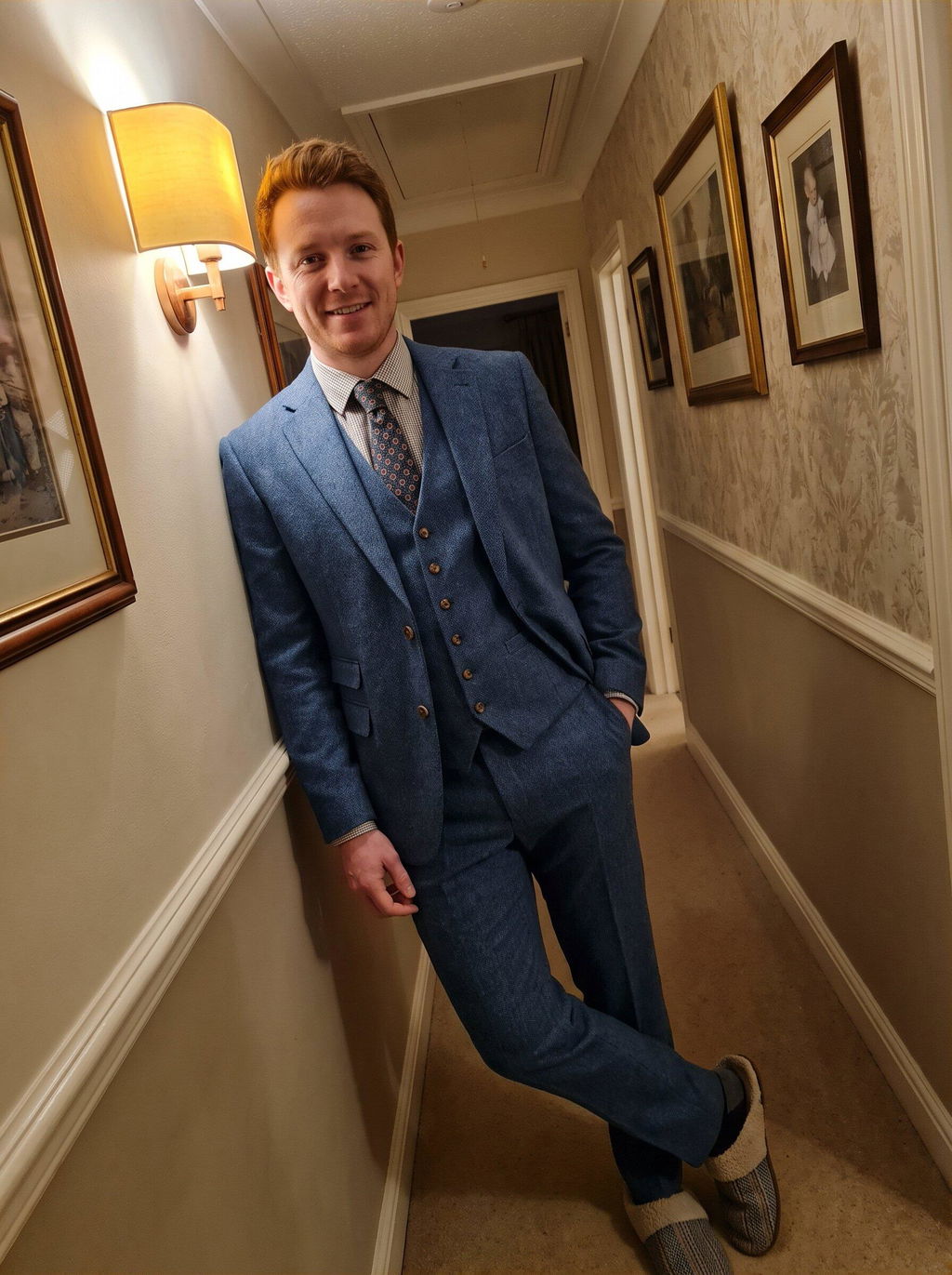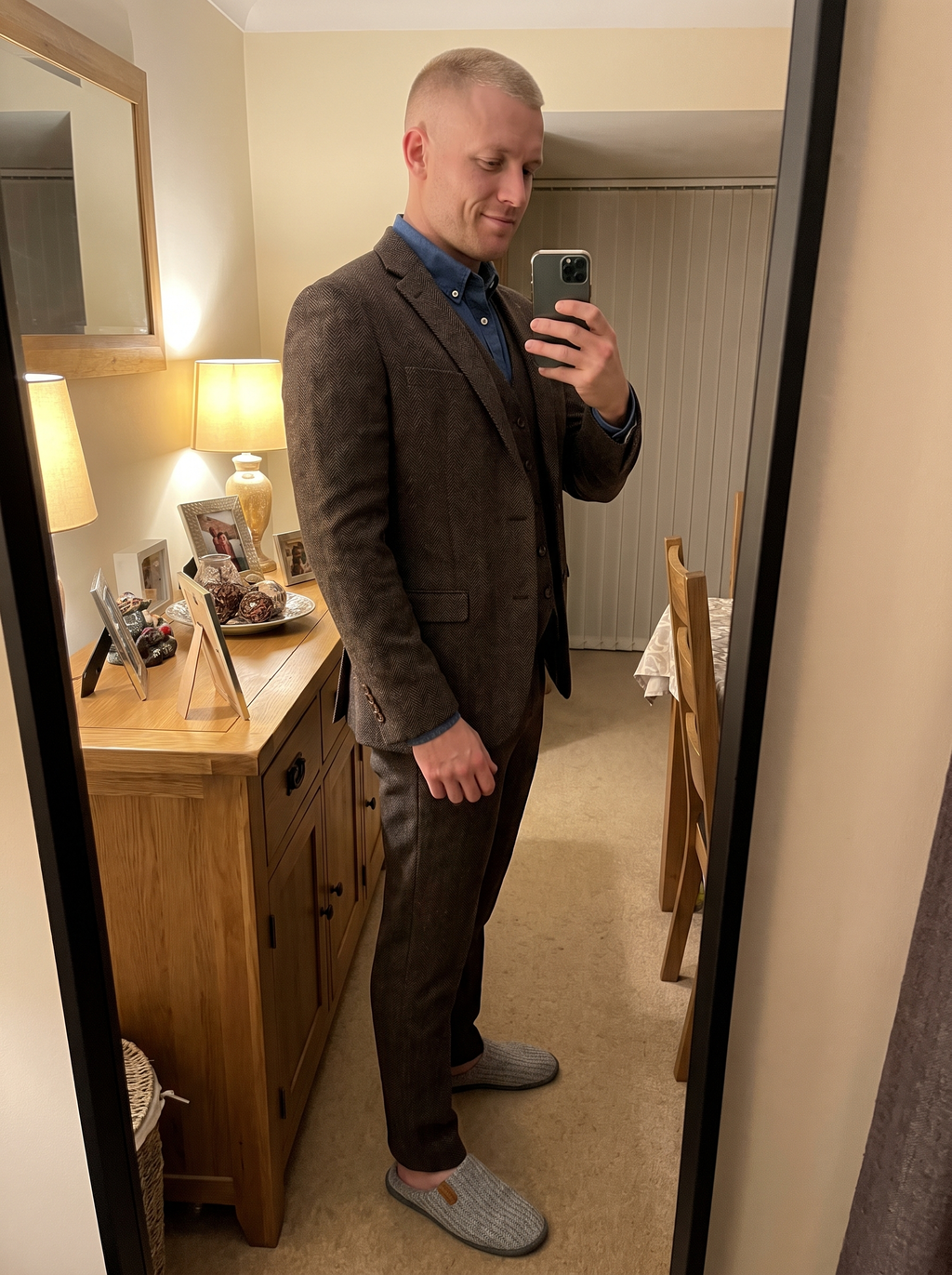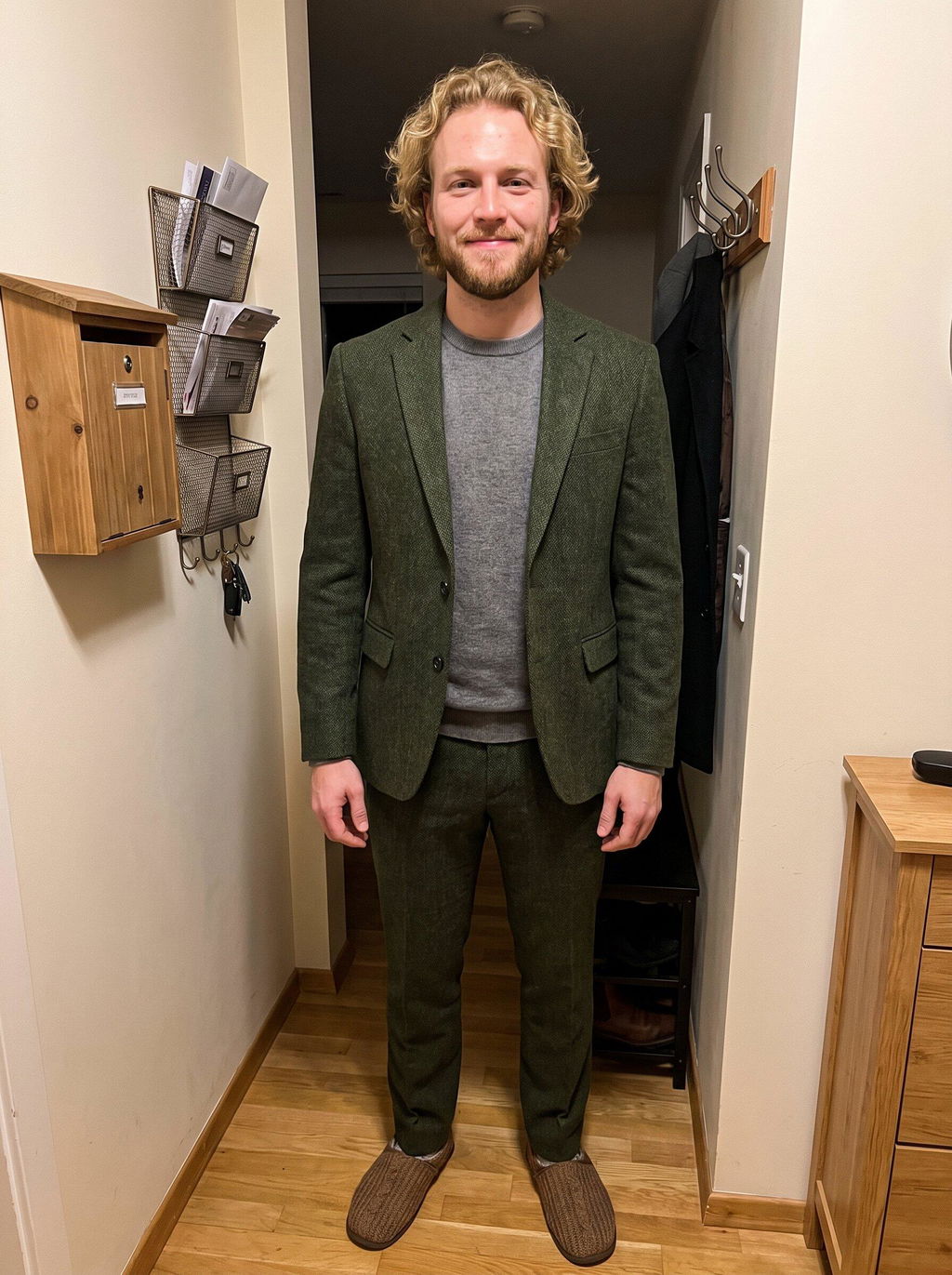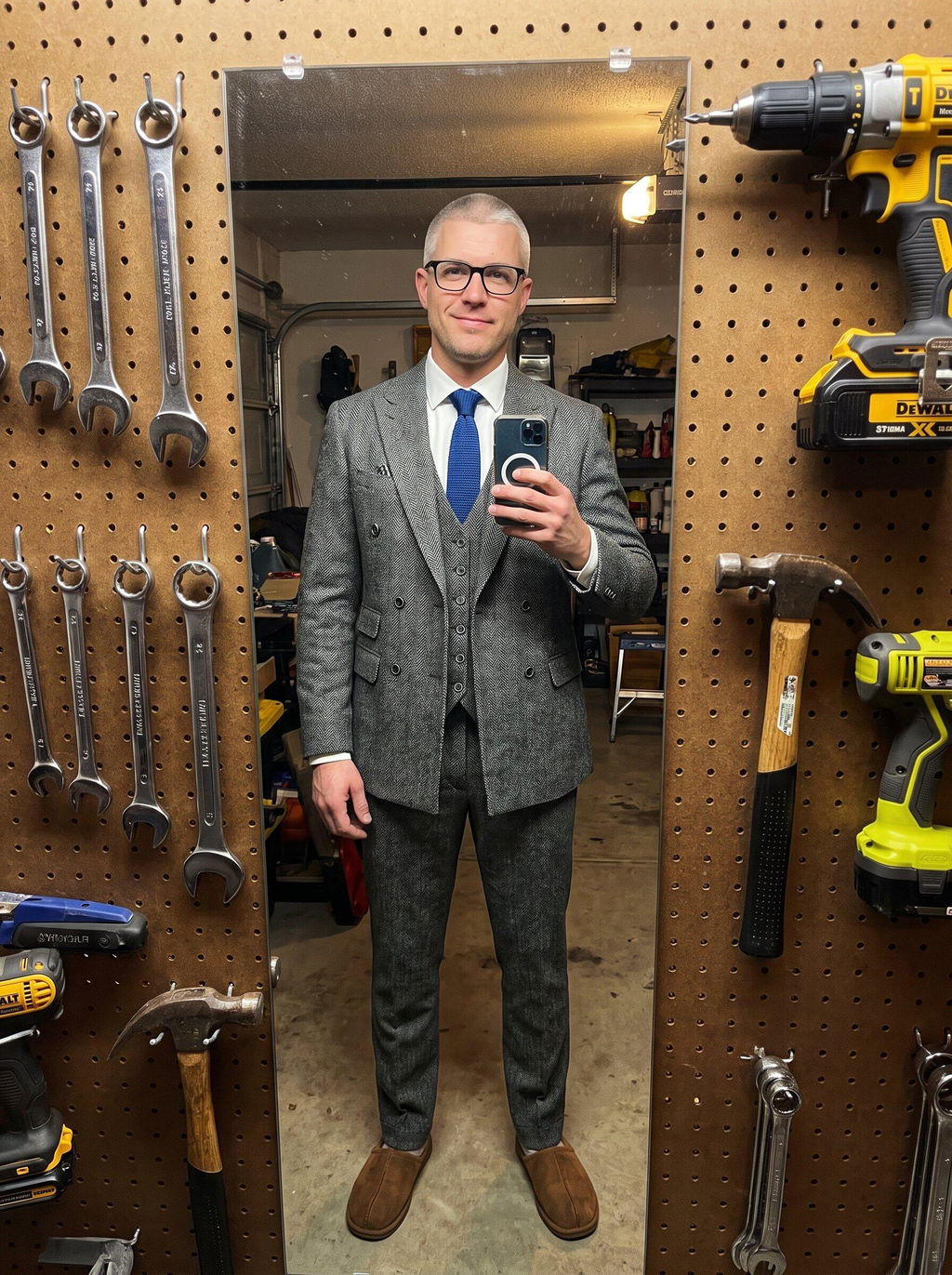
The Most Common Suit Mistakes Men Make — And How to Fix Them
Even the most expensive suit in the world cannot save you from a poor fit, a mismatched tie, or a collar that gaps. The difference between a man who looks dressed and a man who looks distinguished lies entirely in the details.
This guide identifies the most common suit mistakes men make — and gives you the precise corrections to make them disappear.
Mistake #1: The Wrong Fit
This is, without question, the single most damaging error a man can make. A suit that does not fit correctly communicates carelessness — regardless of its price tag or brand name.

The Signs of a Poor Fit
- Shoulder seams that fall off the shoulder — the most critical fit point. If the shoulder is wrong, nothing else can be corrected by a tailor without a full rebuild.
- Jacket pulling across the chest — buttons straining, fabric bunching. The jacket is too small.
- Excess fabric pooling at the back — the jacket is too large or the back is not suppressed enough.
- Trousers breaking excessively at the shoe — too much fabric stacking at the ankle creates a sloppy, dated silhouette.
- Shirt collar visible above the jacket collar — the jacket back is too short or the collar is too large.
The Fix
Always buy to fit the shoulders first. Everything else — chest, waist, trouser length — can be adjusted by a skilled tailor for a modest cost. Budget for alterations as part of the suit purchase. A £400 suit tailored to perfection will always outperform a £1,000 suit worn off the rack.
"Fit is the foundation. Without it, nothing else matters."
Mistake #2: Wearing the Wrong Suit for the Occasion
A black tuxedo at a garden party. A linen suit at a black-tie gala. These are not style choices — they are failures of context. Dressing appropriately for the occasion is a fundamental act of respect.

The Occasion Hierarchy
- Black Tie — Tuxedo with silk lapels, white dress shirt, black bow tie. No exceptions.
- Formal / Business Formal — Navy or charcoal wool suit, white or pale blue shirt, silk tie.
- Smart Casual — Unstructured blazer, chinos, open collar. No tie required.
- Garden / Summer Wedding — Linen or lightweight wool in ivory, light grey, or pale blue.
The Fix
Read the dress code carefully. When in doubt, dress one level above what is stated. You can always remove a tie or unbutton a collar — you cannot add formality you did not bring.
Mistake #3: Ignoring the Shirt Collar
The shirt collar is the frame of your face. A collar that gaps, curls, or swims in the jacket neckline undermines the entire look — and it is one of the most visible errors in any room.

Common Collar Mistakes
- Collar too large — gaps at the neck, tie knot slides around, looks unkempt.
- Collar too small — visible discomfort, red marks on the neck, restricted movement.
- Wrong collar style — button-down collar with a formal suit; spread collar with a casual blazer.
- Collar stays missing — collar points curling upward, breaking the clean line of the tie.
The Fix
Measure your neck size accurately — two fingers should fit comfortably between the collar and your neck when buttoned. For formal occasions, always choose a spread or semi-spread collar. Use collar stays to keep points flat and sharp throughout the day.
Mistake #4: The Wrong Trouser Break
The trouser break — the fold of fabric where the trouser meets the shoe — is a detail that separates the well-dressed from the merely suited. Most men wear their trousers too long.

The Three Breaks
- No Break — Trouser hem sits just above the shoe. Clean, modern, and increasingly preferred for slim-cut suits.
- Quarter Break — A slight fold at the front. The most versatile and universally flattering option.
- Full Break — Heavy fold of fabric stacking at the shoe. Traditional and appropriate only for classic, full-cut suits.
The Fix
For modern suits, aim for no break or a quarter break. Have your trousers hemmed by a tailor — it costs very little and makes an enormous visual difference. Never wear trousers that drag on the floor.
Mistake #5: Buttoning Every Button on the Jacket
This is one of the most common and most visible mistakes — and it is entirely avoidable once you know the rule.
The Rule
- Two-button jacket — Button the top button only. The bottom button is never fastened.
- Three-button jacket — Button the middle button only, or the top two. Never all three.
- Double-breasted jacket — All buttons fastened when standing. The jacket should always be buttoned.
- When seated — Always unbutton the jacket. This prevents pulling and preserves the shape of the garment.
The Fix
Memorise the rule: Sometimes, Always, Never — for a three-button jacket, the top button is sometimes fastened, the middle is always fastened, and the bottom is never fastened. For a two-button jacket: always, never.
"The bottom button of a suit jacket has never been fastened by a well-dressed man."
Mistake #6: Poor Tie Length and Knot
The tie is the centrepiece of a formal suit. A tie that is too short, too long, or knotted incorrectly draws the eye for all the wrong reasons.
Common Tie Mistakes
- Tie too short — The tip sits above the waistband. Looks unfinished and juvenile.
- Tie too long — The tip extends below the waistband. Looks sloppy and careless.
- Knot too large for the collar — A Windsor knot in a narrow collar creates an awkward, bulging appearance.
- Dimple missing — A tie without a dimple below the knot looks flat and amateur.
- Back blade visible — The narrow back blade of the tie should be tucked into the keeper loop, never visible.
The Fix
The tip of the tie should touch the top of the trouser waistband — no higher, no lower. Match the knot size to the collar spread: a four-in-hand for narrow collars, a half-Windsor for semi-spread, a full Windsor for wide spread collars. Always create a dimple by pinching the fabric just below the knot as you tighten it.
Mistake #7: Wearing the Wrong Shoes
Shoes are the foundation of the entire look — and the most frequently neglected element. The wrong shoes can undermine even a perfectly fitted suit.
The Hierarchy of Formal Shoes
- Black Cap-Toe Oxford — The most formal shoe. Pairs with black tuxedo or charcoal suit.
- Black Plain-Toe Oxford — Slightly less formal; versatile across all dark suits.
- Dark Brown Derby — Appropriate for navy or mid-grey suits in business or smart casual settings.
- Tan Suede Loafer — Summer and garden events only. Never with a dark formal suit.
The Fix
Match shoe formality to suit formality. Always polish leather shoes to a mirror finish before any formal occasion. Scuffed or unpolished shoes communicate neglect — no matter how well the suit fits. Invest in a quality shoe horn and cedar shoe trees to maintain the shape of your shoes between wearings.
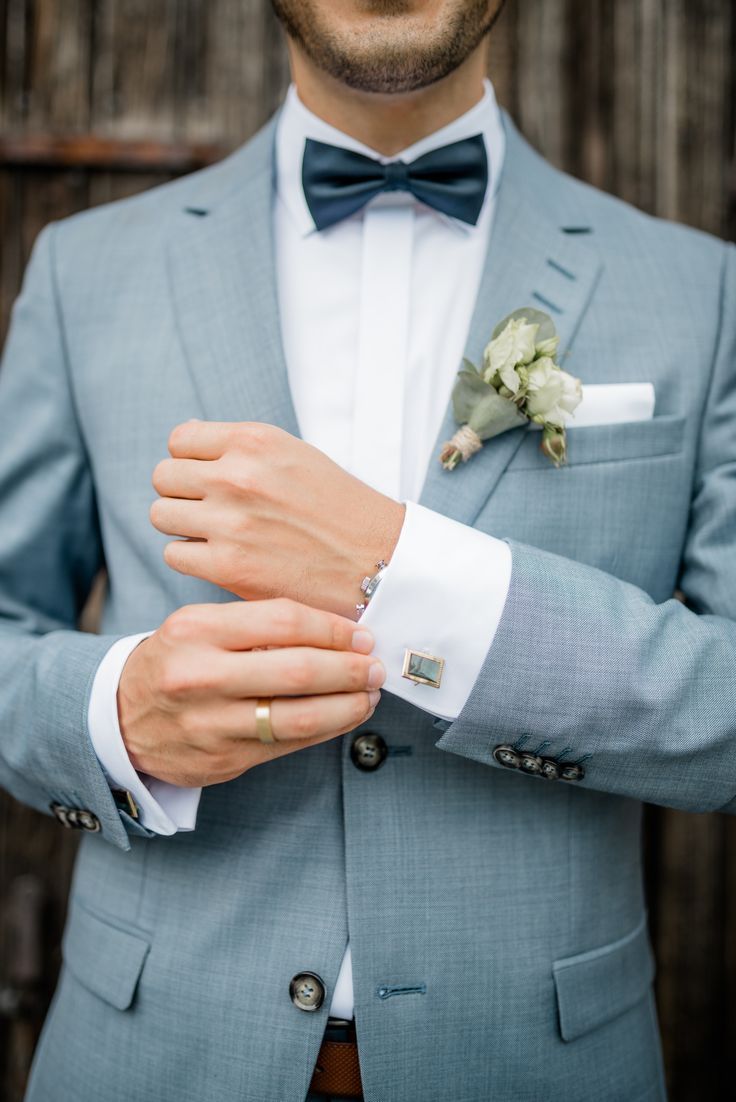
Mistake #8: Neglecting the Pocket Square
The pocket square is not optional. It is the single most impactful finishing detail of a suit — and leaving the breast pocket empty is a missed opportunity that every well-dressed man avoids.

Common Pocket Square Mistakes
- Matching the pocket square exactly to the tie — this looks costume-like and lacks sophistication.
- Using a synthetic or polyester square — the fabric should always be silk, linen, or cotton.
- Folding it too precisely — a pocket square should look considered, not mechanical.
- Leaving the pocket empty — the most common mistake of all.
The Fix
For formal occasions: a white linen square, flat fold — clean, timeless, and universally correct. For business or smart occasions: a silk square, puff fold — adds personality without competing with the tie. The pocket square should complement the tie, not match it. Share a colour, not a pattern.
Mistake #9: Wearing a Suit That Has Not Been Pressed
A crumpled suit communicates one thing above all else: that you did not care enough to prepare. Creases, wrinkles, and a collapsed lapel roll are visible from across a room.

The Fix
Always hang your suit on a proper wooden suit hanger after wearing — never a wire hanger, which distorts the shoulder. Allow the suit to air for 24 hours before returning it to the wardrobe. Before any important occasion, steam or press the suit the evening before. A quality garment steamer is one of the best investments a suited man can make.
"A pressed suit is a prepared man."
Mistake #10: Wearing Too Much — or Too Little
The final mistake is one of proportion and restraint. A suit is a complete system. Adding too many competing elements — a bold tie, a loud pocket square, a statement watch, and a lapel pin simultaneously — creates visual noise. Wearing too little — no tie, no pocket square, no accessories — leaves the suit looking unfinished.
The Fix
Choose one statement piece and let everything else support it. If the tie is bold, keep the pocket square simple. If the suit fabric has texture or pattern, keep accessories understated. The goal is a coherent look, not a collection of individual statements.
The rule of elegance is always subtraction, not addition.
A Final Word: The Suit Is a Discipline
Dressing well in a suit is not about spending more money. It is about paying attention — to fit, to occasion, to detail, to proportion. The men who are remembered for how they dress are not the ones who wore the most expensive suits. They are the ones who wore their suits with intention.
Correct the mistakes. Master the details. Wear the suit — do not let the suit wear you.
Dress with purpose. Dress with precision. Dress like it matters — because it does.