How to Style a Men's Shirt Jacket: Fit, 6 Outfits, and 3 Golden Rules
Few garments in contemporary menswear bridge effortless comfort and sartorial precision quite like the shirt jacket (often called the overshirt or shacket). Originally rooted in mid-century utilitarian workwear, the modern overshirt has evolved into an indispensable layering piece for the style-conscious gentleman.
Whether navigating crisp transitional weather, dressing for elevated business casual, or curating a smart weekend look that feels intentional without feeling stiff, the shirt jacket is your secret weapon. When cut from rich fabrics like brushed wool, flannel, or textured tweed, it carries the architectural presence of tailored outerwear while maintaining the relaxed ease of your favorite button-down.
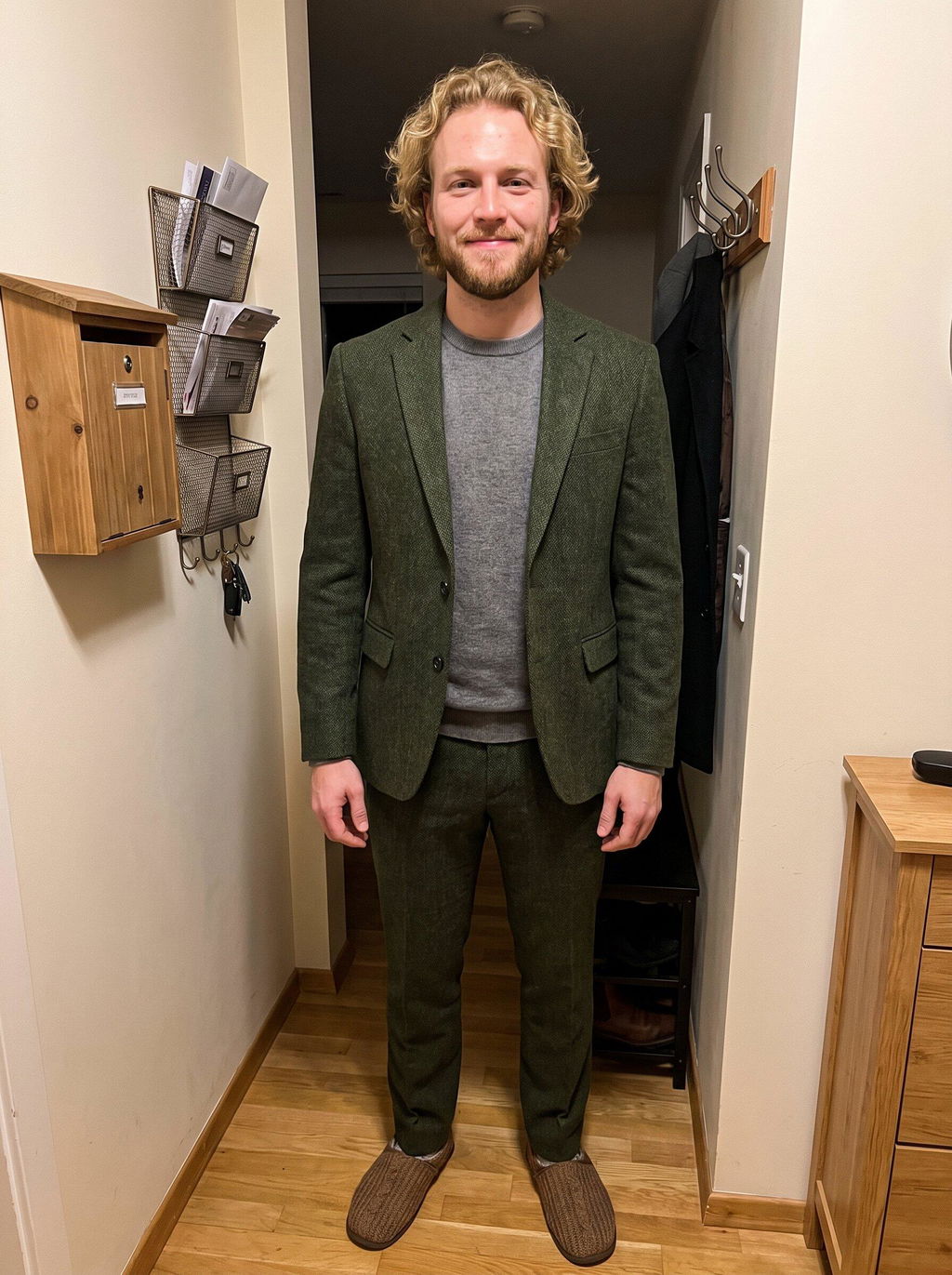
 The tailored wool overshirt: A masterclass in structure, drape, and versatile layering
The Fit Blueprint: How a Shirt Jacket Should Actually Fit
The greatest advantage of a shirt jacket is its versatility, but improper proportions will instantly compromise your silhouette. Because an overshirt is designed to be worn over other garments, its cut must balance structured tailoring with functional room.
Shoulders & Seams
The shoulder seam should sit squarely at the natural edge of your acromion bone or drop just a fraction of an inch past it. If the seam pulls inward, the jacket buckles over knitwear; too far down the arm, and the silhouette loses all sharpness.
Chest & Torso Allowance
You should button comfortably over a mid-weight knit without horizontal tension across buttons. Seek subtle waist suppression: a clean, straight or gently tapered drape maintains a streamlined profile without excess billowing.
Sleeve & Hem Length
Sleeves: Cuff rests just below the wrist bone, showing ~0.5" of cuff if desired.
Hemline: Falls around mid-crotch—fully covering your belt line while staying well above coat length.
 Tactile depth: Textured tweed over fine-gauge knitwear embodies timeless sartorial contrast
6 Elevated Outfit Formulas for Every Occasion
The true beauty of the shirt jacket lies in its adaptability. Here are six foolproof sartorial formulas, spanning from refined weekend ease to boardroom-ready smart casual.
Outfit 1: The Sartorial Rollneck
Quiet LuxuryOutfit 2: The Casual Friday Power Play
Business CasualOutfit 3: The Textural Contrast
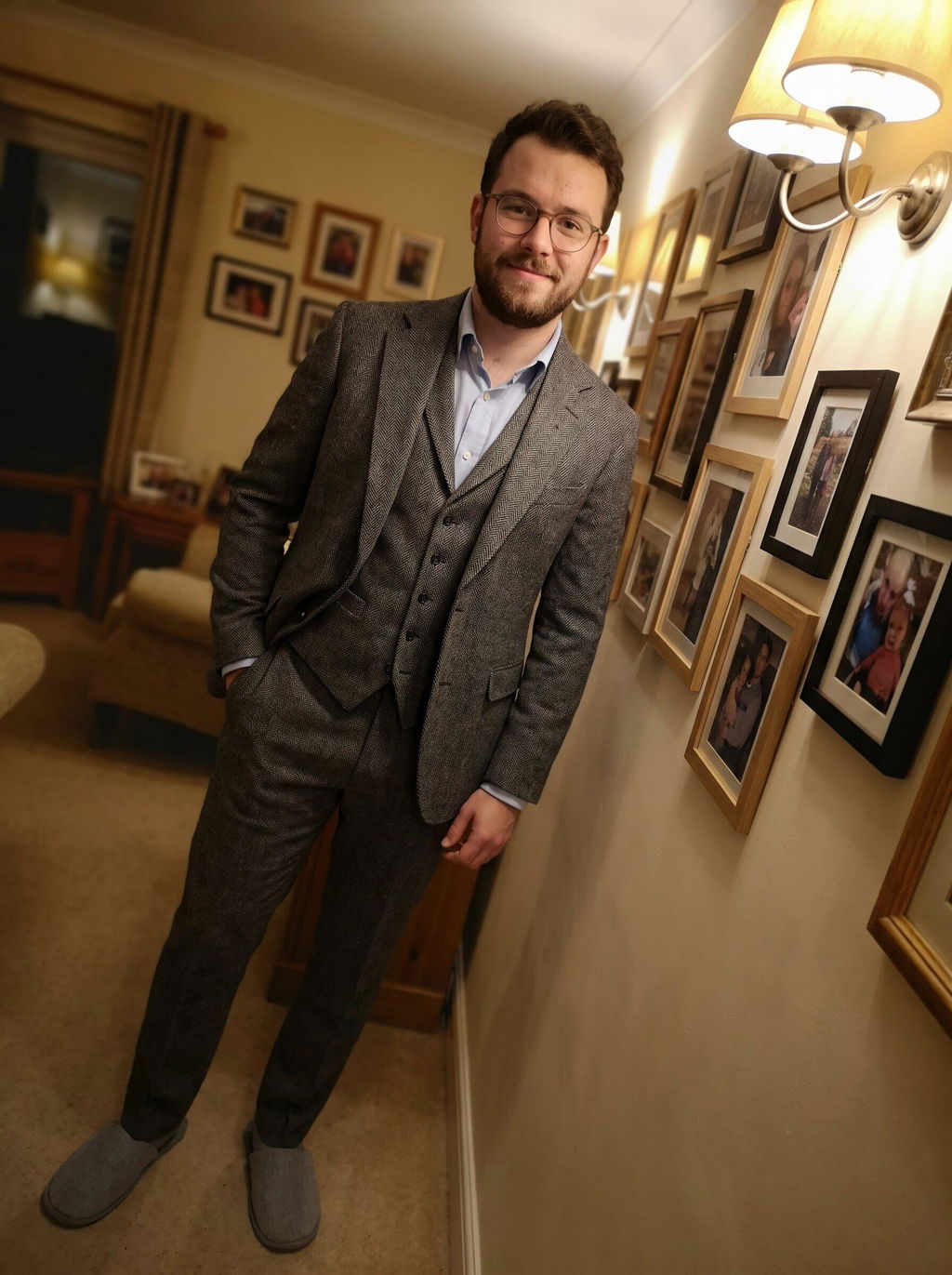
Heritage Tailoring The sharp urban look: Charcoal shirt jacket anchored by high-waisted pleated wool trousers
Outfit 4: The Tonal Monochrome
Evening MinimalistOutfit 5: The Sub-Zero Mid-Layer
Winter LayeringOutfit 6: The Semi-Formal Crossover
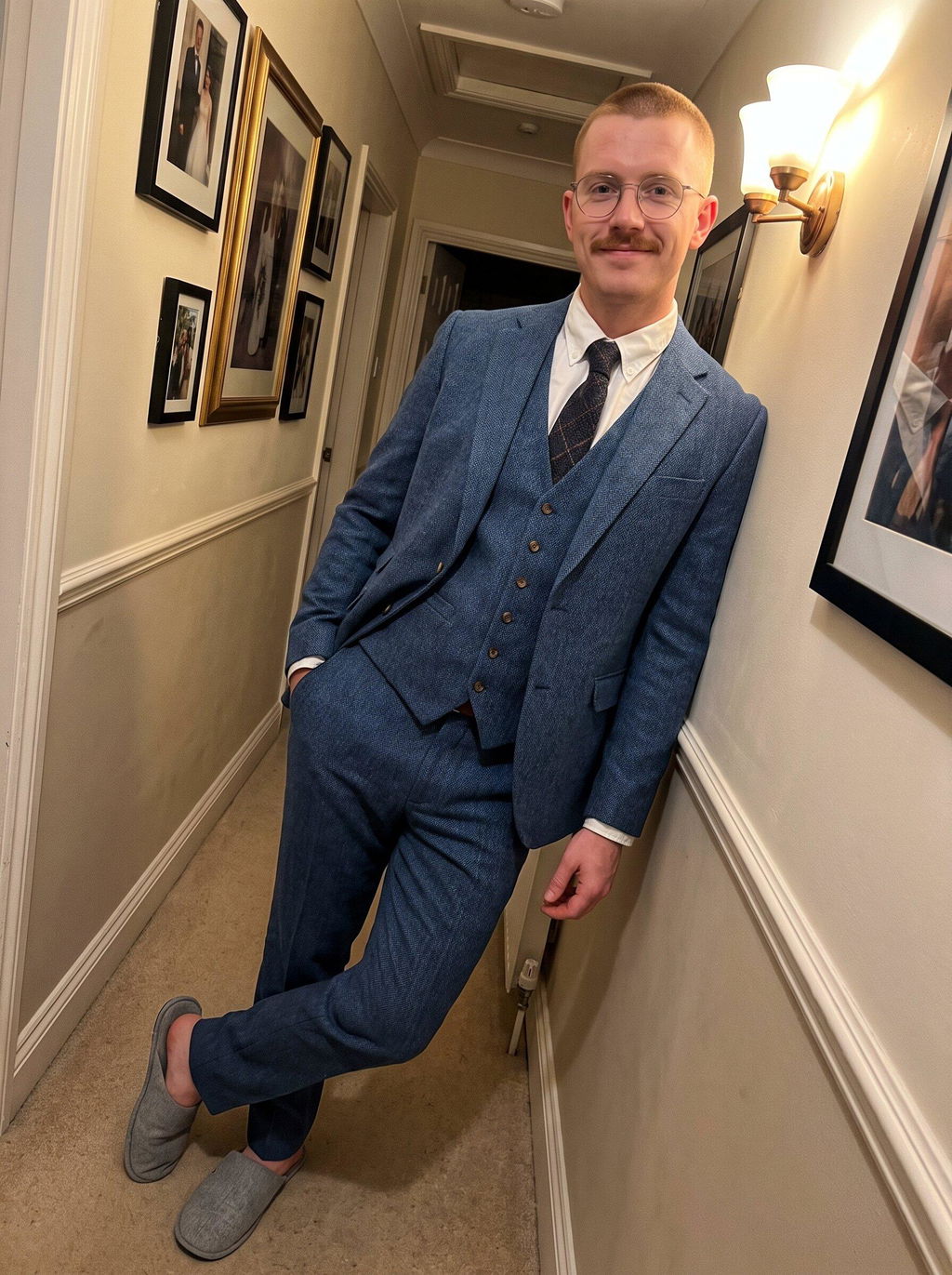
Sartorial Mastery The curated kit: Coordinated accessories, rich materials, and balanced color palettes
The 3 Golden Rules of Styling a Shirt Jacket
To keep your outfit looking intentional rather than thrown together, stick to these three foundational sartorial principles:
Respect the Fabric Weight Hierarchy
Layering always works best when fabric weight increases from the inside out. Your base layer should always be the lightest (cotton, silk-blend, fine merino), followed by the mid-weight shirt jacket (flannel, wool blend, suede), and finished with a heavy coat if weather demands. Violating this with chunky knits beneath a light linen overshirt causes awkward bunching.
Anchor Your Silhouette with Proportions
Because shirt jackets naturally possess a boxier, more relaxed torso than a tailored suit jacket, your lower half must provide balance. Avoid overly baggy bottoms that eliminate all shape. Instead, pair your overshirt with tapered trousers, structured straight-leg chinos, or tailored wool pants that maintain clean lines from hip to hem.
Elevate Through Hardware & Texture
The difference between a basic utility jacket and an elegant gentleman's overshirt is in the tactile details. Seek out garments featuring authentic horn or matte metal buttons, clean welt pockets, and deep surface textures like herringbone, twill, or corduroy. These tactile elements instantly elevate your ensemble into something deliberate and luxurious.
Bridging the Gap: Upgrading to Event-Ready Elegance
While a shirt jacket is unmatched for smart-casual outings, high-stakes occasions—weddings, black-tie events, formal galas, and milestone celebrations—demand the sharp authority of dedicated tailoring.
The good news? The very same principles of texture, proportion, and layered harmony you master with an overshirt are at the heart of timeless formalwear.
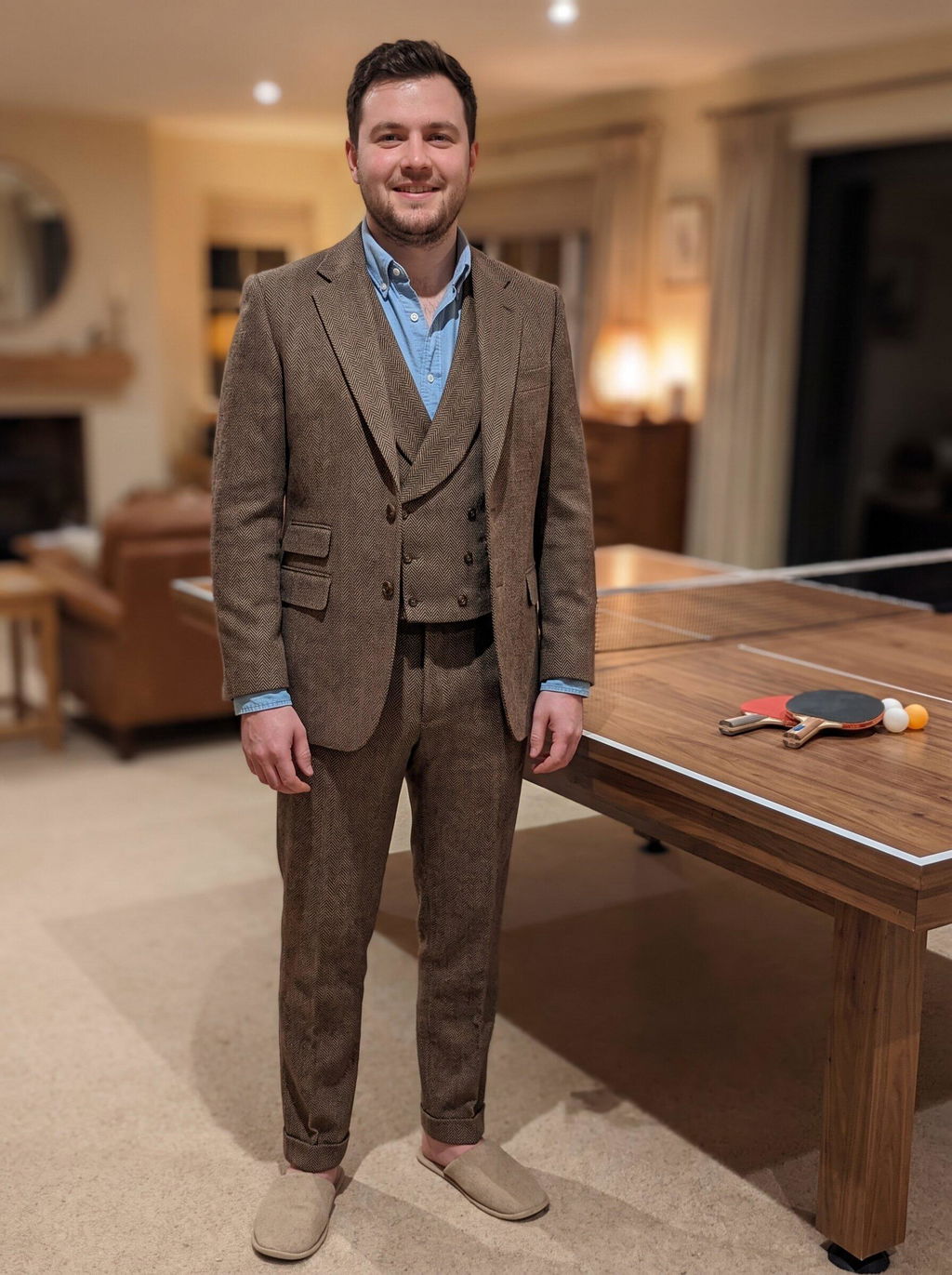
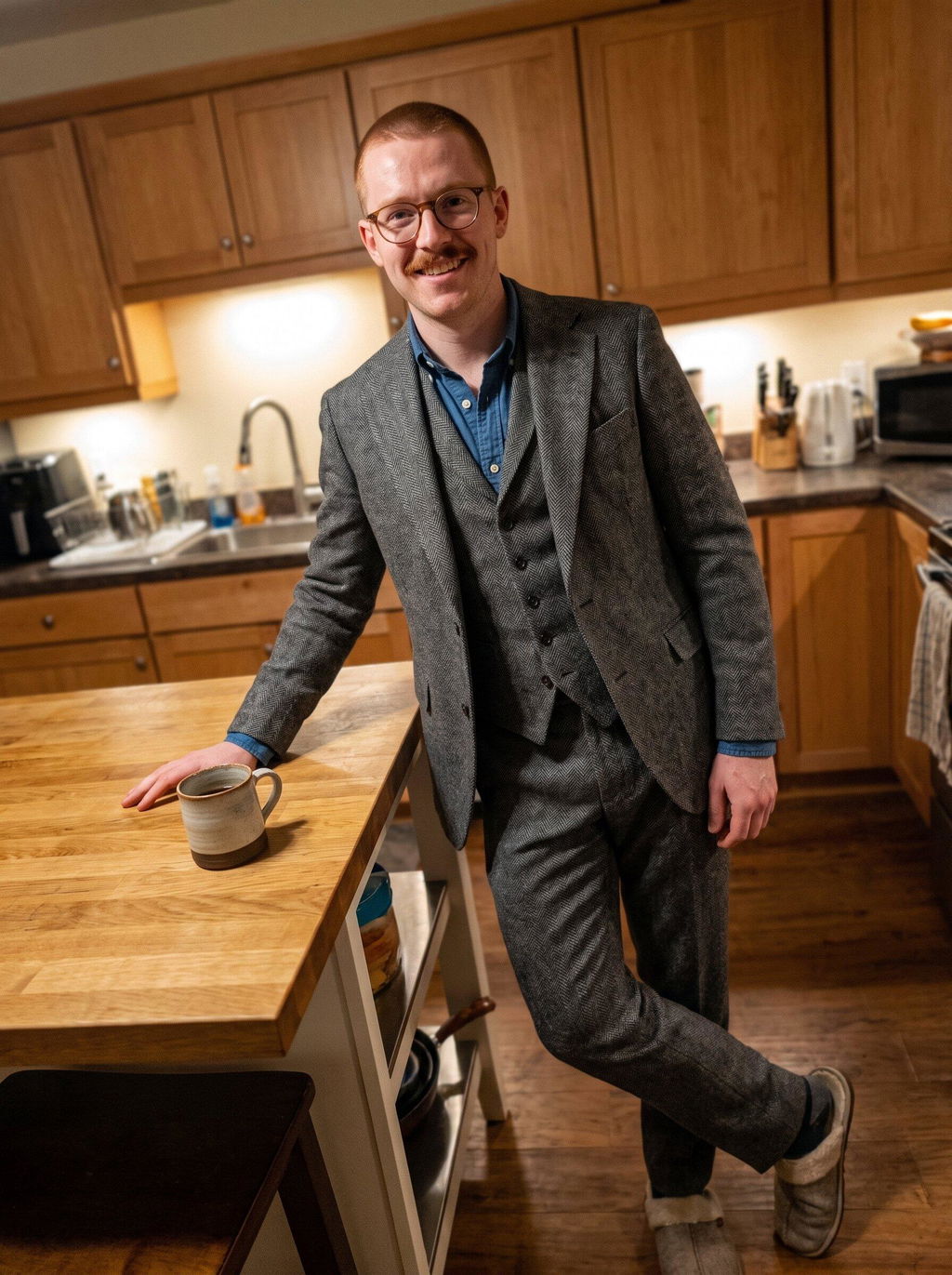
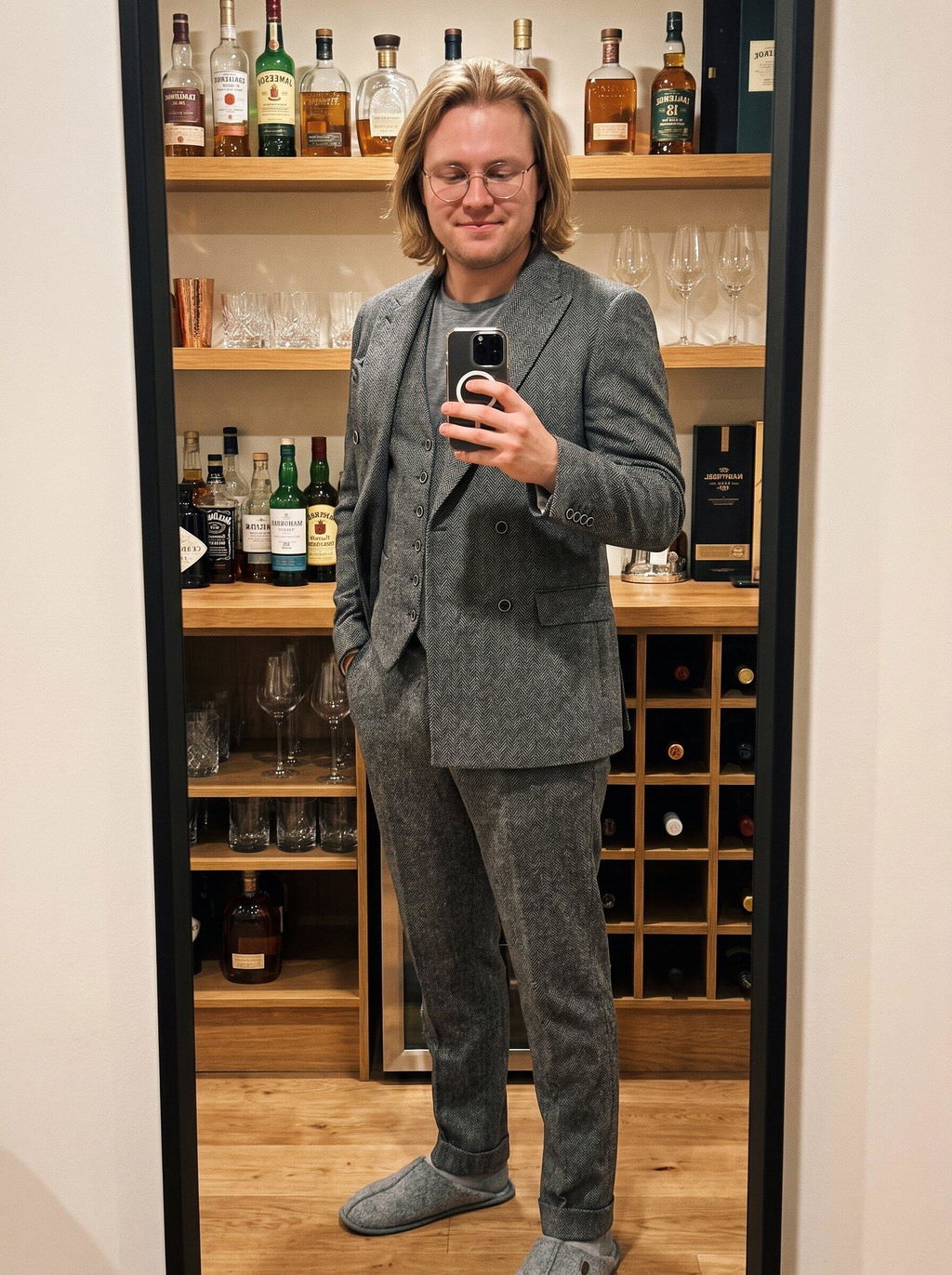
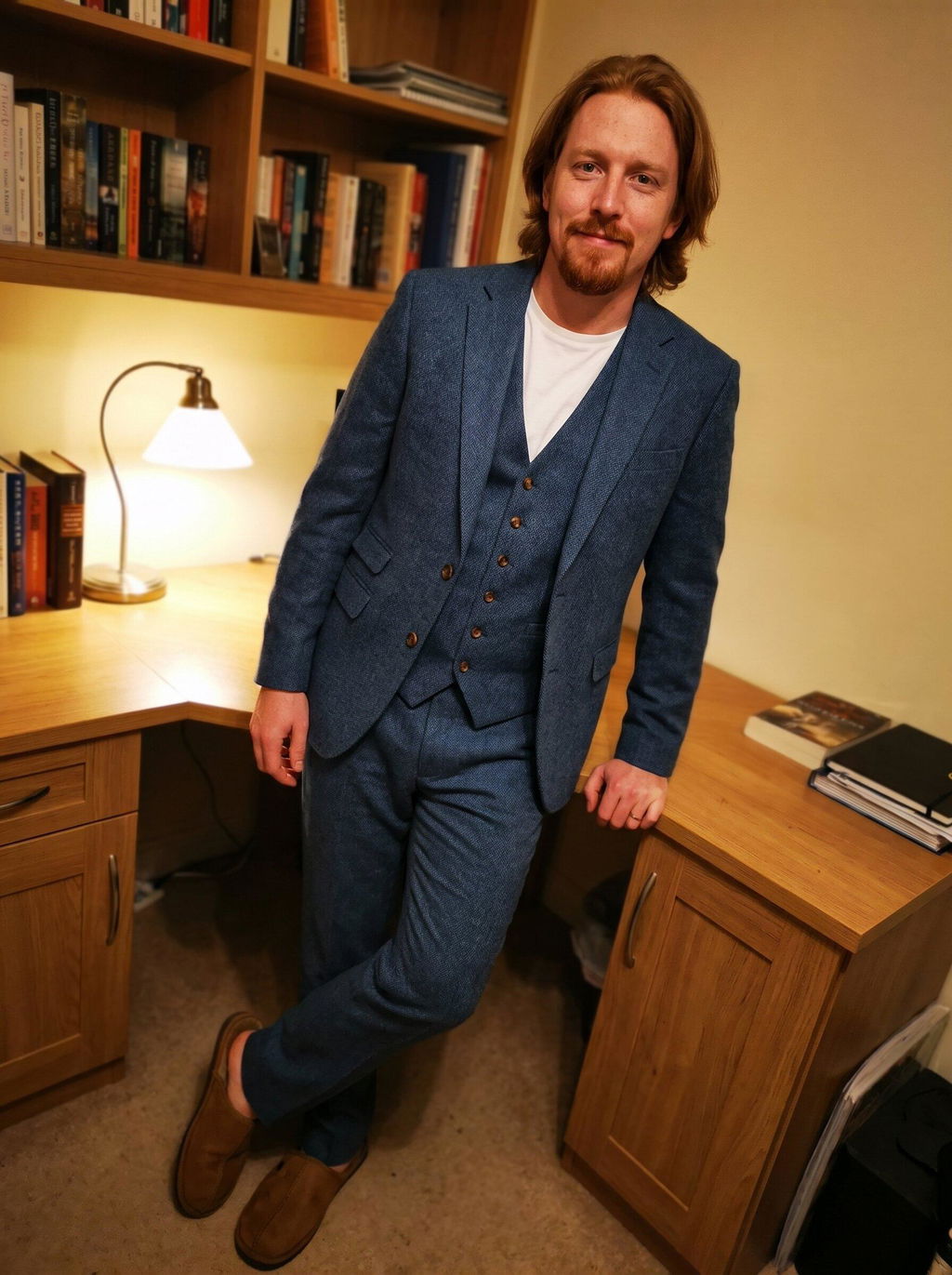
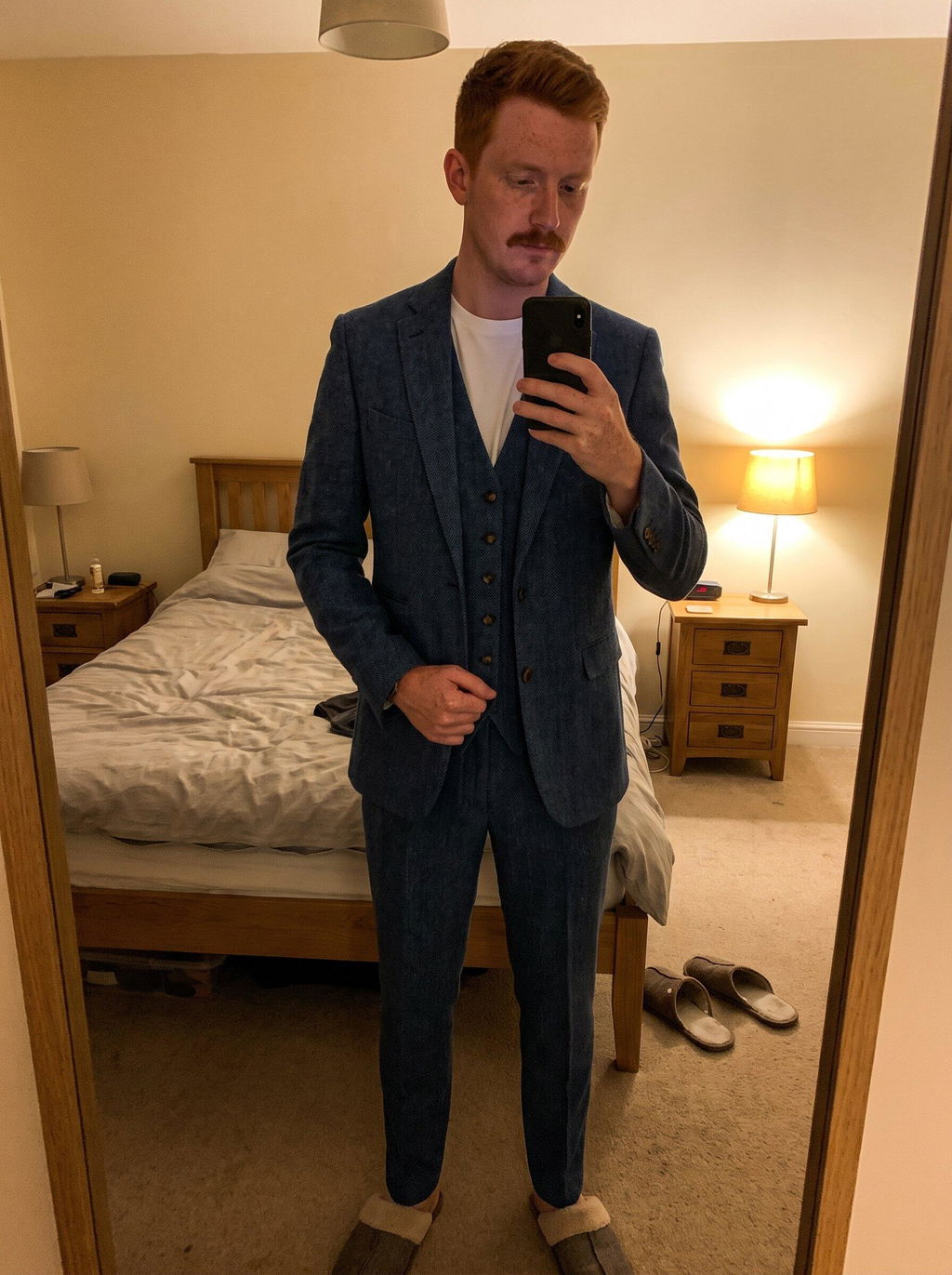
 MensEventWear signature tailoring: 3-piece herringbone suit for weddings and formal galas
When the invitation calls for formal refinement, transition from smart casual layering into our signature MensEventWear 3-Piece Herringbone and Classic Tweed Suits. Featuring structured notch and peak lapels, matching waistcoats that sculpt your torso, and precision-cut trousers, a three-piece suit delivers the ultimate standard of gentlemen's event attire.
Frequently Asked Questions
1. Can a shirt jacket replace a blazer for business casual settings?
Yes, provided the overshirt is crafted from structured, refined fabrics such as fine wool, cashmere blends, or heavyweight flannel in muted colors like navy, charcoal, or olive. Avoid utility jackets with oversized cargo pockets in corporate environments, and pair it with pressed tailored trousers and leather dress shoes.
2. How should an overshirt fit compared to a standard dress shirt?
A shirt jacket should be cut 0.5 to 1 full size roomier in the chest, shoulders, and armholes than a traditional dress shirt. This extra clearance ensures you can comfortably layer a knit sweater or collared shirt underneath without fabric tension across the chest or restriction in arm mobility.
3. Can I wear a shirt jacket to a wedding?
For formal, black-tie, or church weddings, a shirt jacket is too casual; a 2-piece or 3-piece tuxedo or suit is required. However, for relaxed outdoor, rustic, or modern smart-casual rehearsal dinners and day-after brunches, a high-end tweed or wool shirt jacket paired with tailored dress trousers looks sharp and event-appropriate.
4. What are the best shoes to wear with a tailored shirt jacket outfit?
Footwear dictates the formality of the outfit. For an elevated smart-casual aesthetic, choose suede or calfskin Chelsea boots, leather loafers, or double monk straps. For weekend outings, clean leather dress sneakers or chukka boots pair seamlessly.
5. Should I leave a shirt jacket open or buttoned?
Both styles work well. Leaving it completely unbuttoned highlights your base layer (like a fine turtleneck or crisp dress shirt) and creates vertical lines that elongate your torso. If buttoning up, fasten the middle buttons and leave the top collar button and bottom button undone for natural drape and movement.