Herringbone vs. Wool Tweed: The Fabric Guide Every Well-Dressed Man Needs
Two of the most distinguished fabrics in menswear — and knowing the difference will change how you dress forever.
The Fabric Is the Foundation
Before the cut, before the colour, before the lining — there is the fabric. In the world of fine menswear, the cloth you choose determines not just how a suit looks, but how it moves, how it wears, and what it says about you.
Among the most celebrated fabrics in a gentleman's wardrobe, two stand apart for their texture, character, and versatility: herringbone and wool tweed. Both are woven from wool. Both carry centuries of tailoring heritage. Yet they are profoundly different in construction, personality, and purpose.
This guide will help you understand each fabric — and know exactly when to wear which.
Part I: Herringbone
What Is Herringbone?
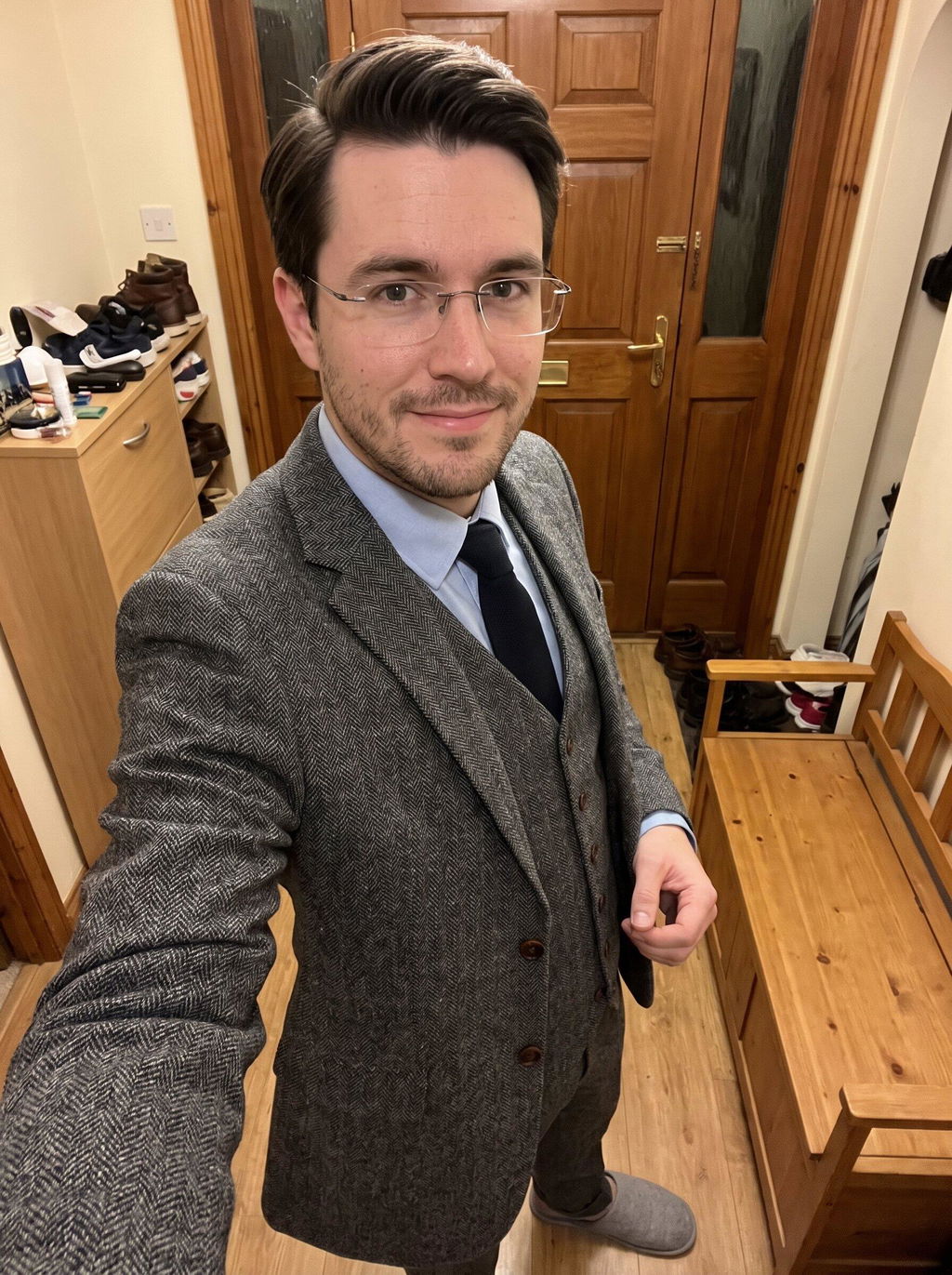
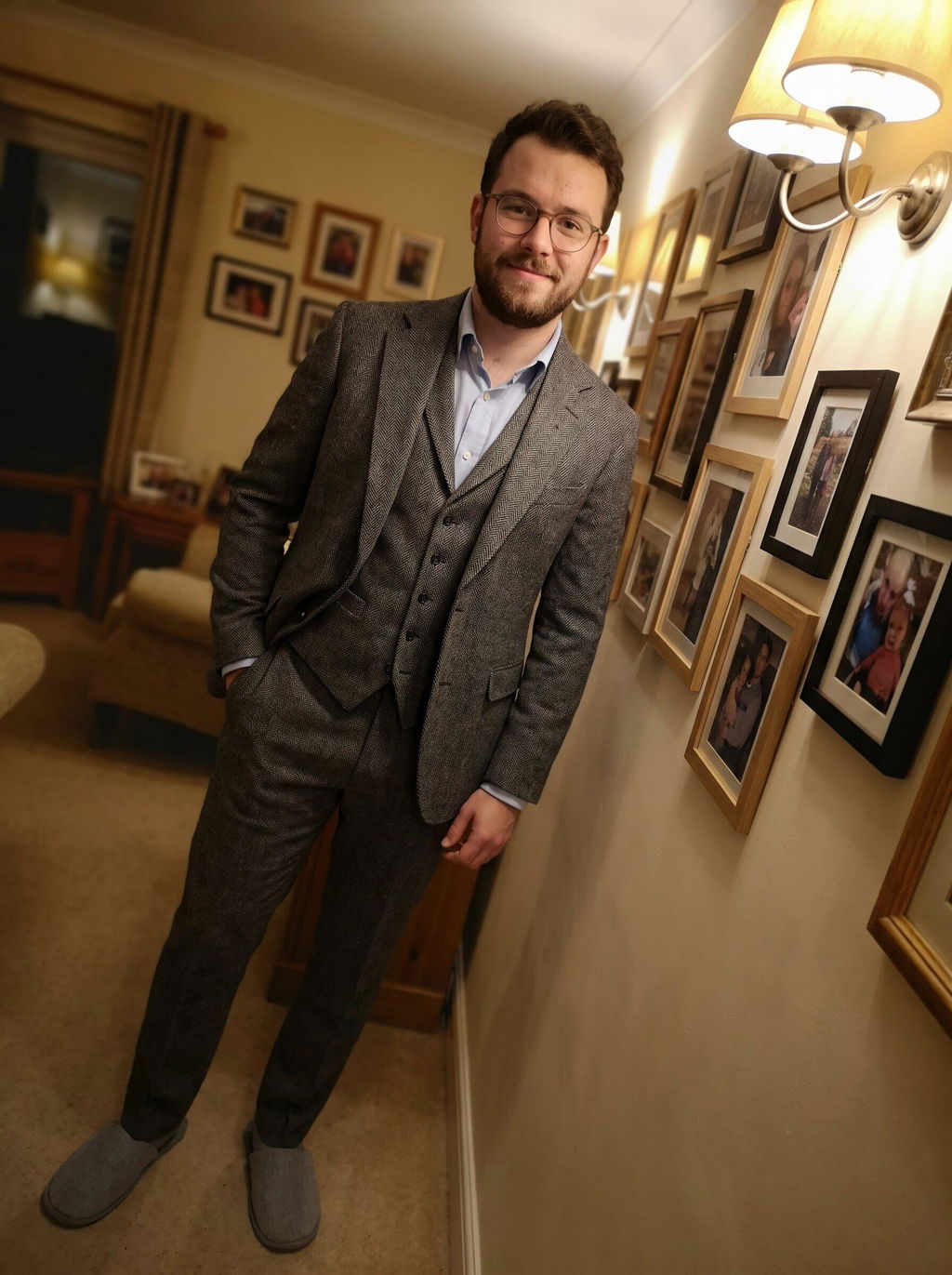
Herringbone takes its name from the skeleton of a herring fish. The fabric is woven in a distinctive V-shaped zigzag pattern — alternating columns of diagonal lines that create a broken twill weave. The result is a surface with subtle, rhythmic movement that catches light differently as you move.

Characteristics
- Weave: Broken twill, V-shaped zigzag pattern
- Surface: Smooth to semi-textured, with a refined visual depth
- Weight: Light to medium — typically 220g to 320g per metre
- Drape: Excellent — falls cleanly and holds its shape through a long day
- Sheen: Subtle, depending on wool grade (Super 100s–150s versions carry a quiet lustre)
Best Colours for Herringbone
The pattern works best in tonal combinations — where the two woven colours are close in value:
- Charcoal & mid-grey — The classic. Authoritative and timeless.
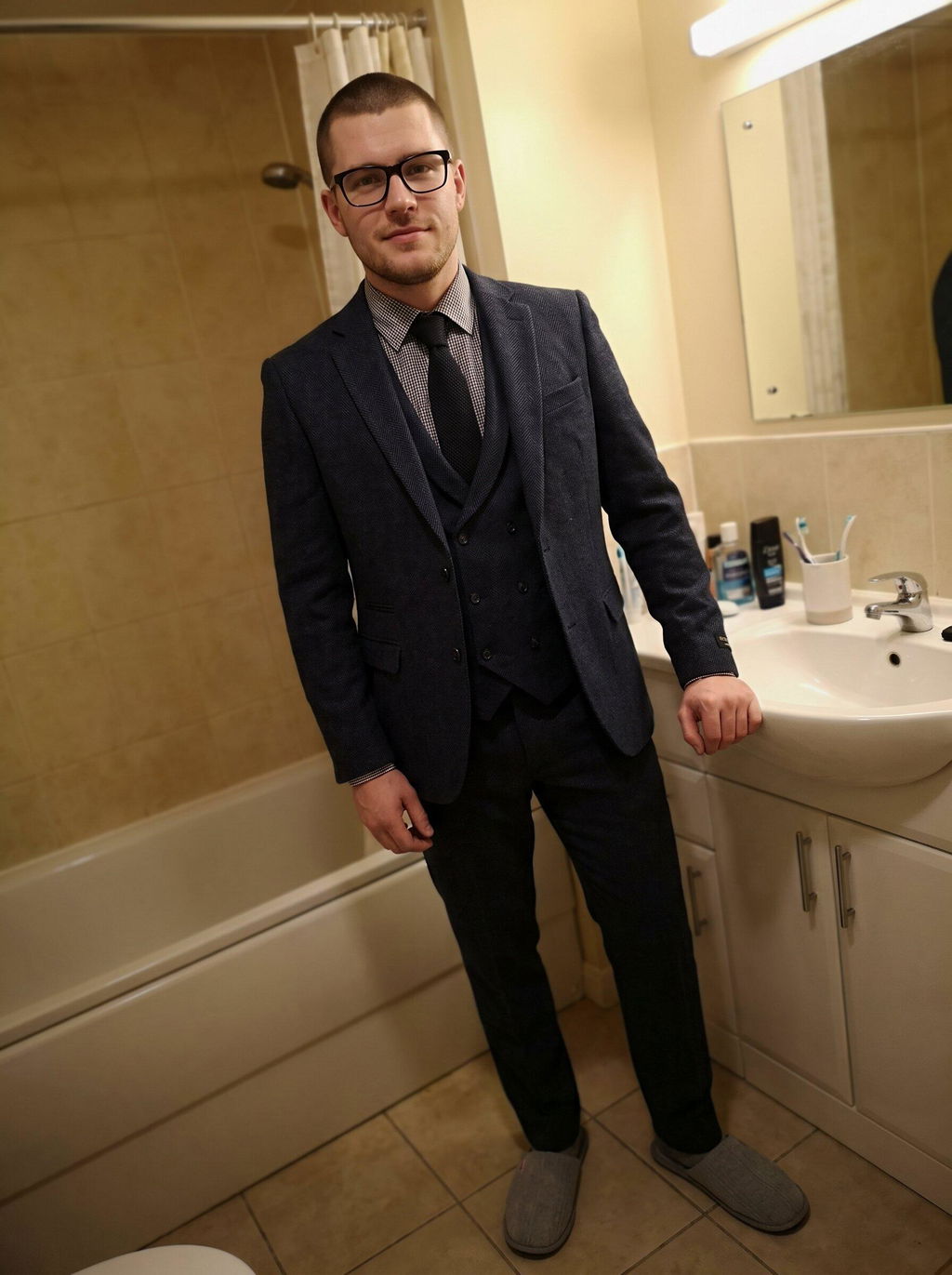
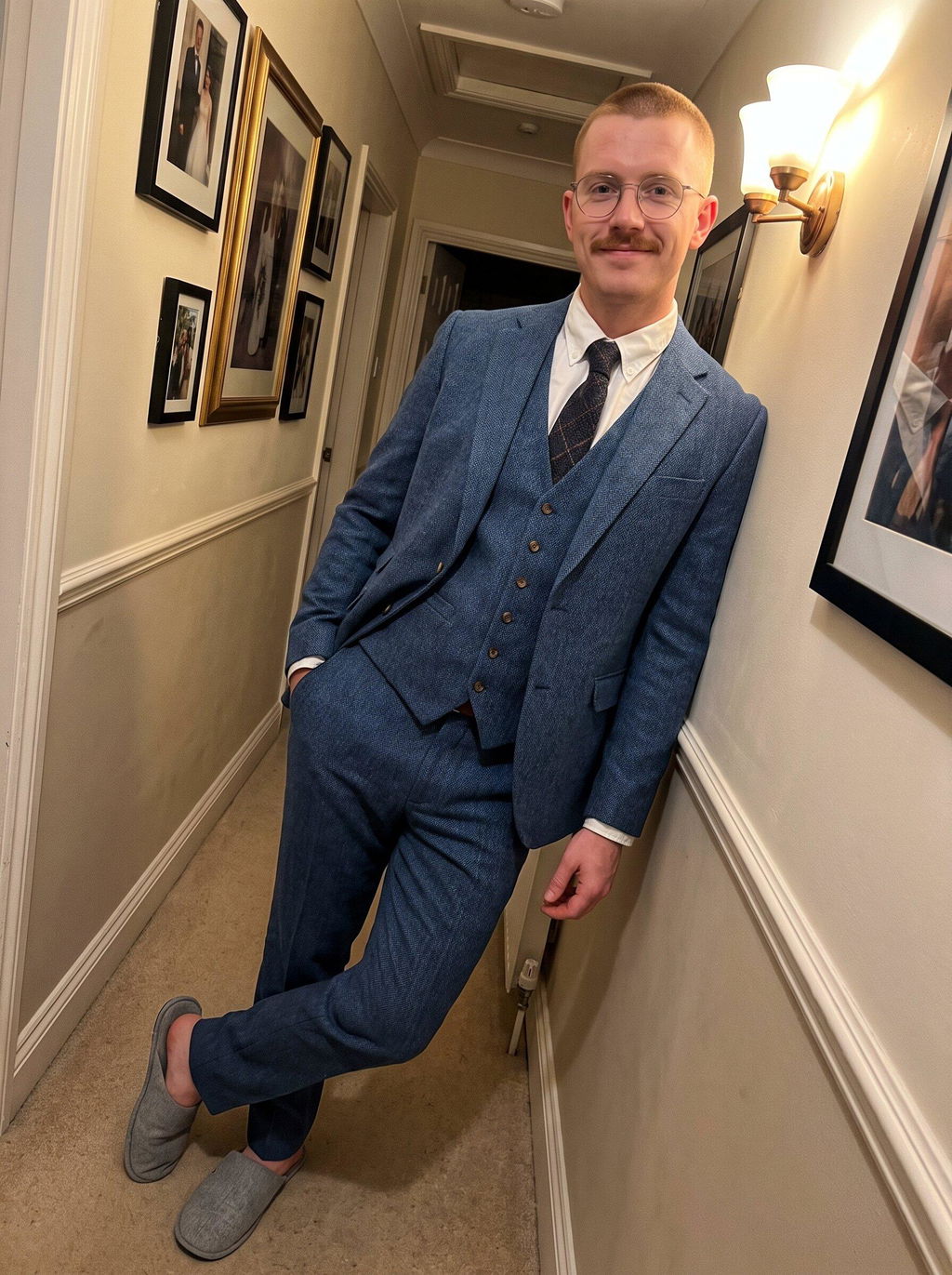
- Navy & slate blue — Modern and refined.
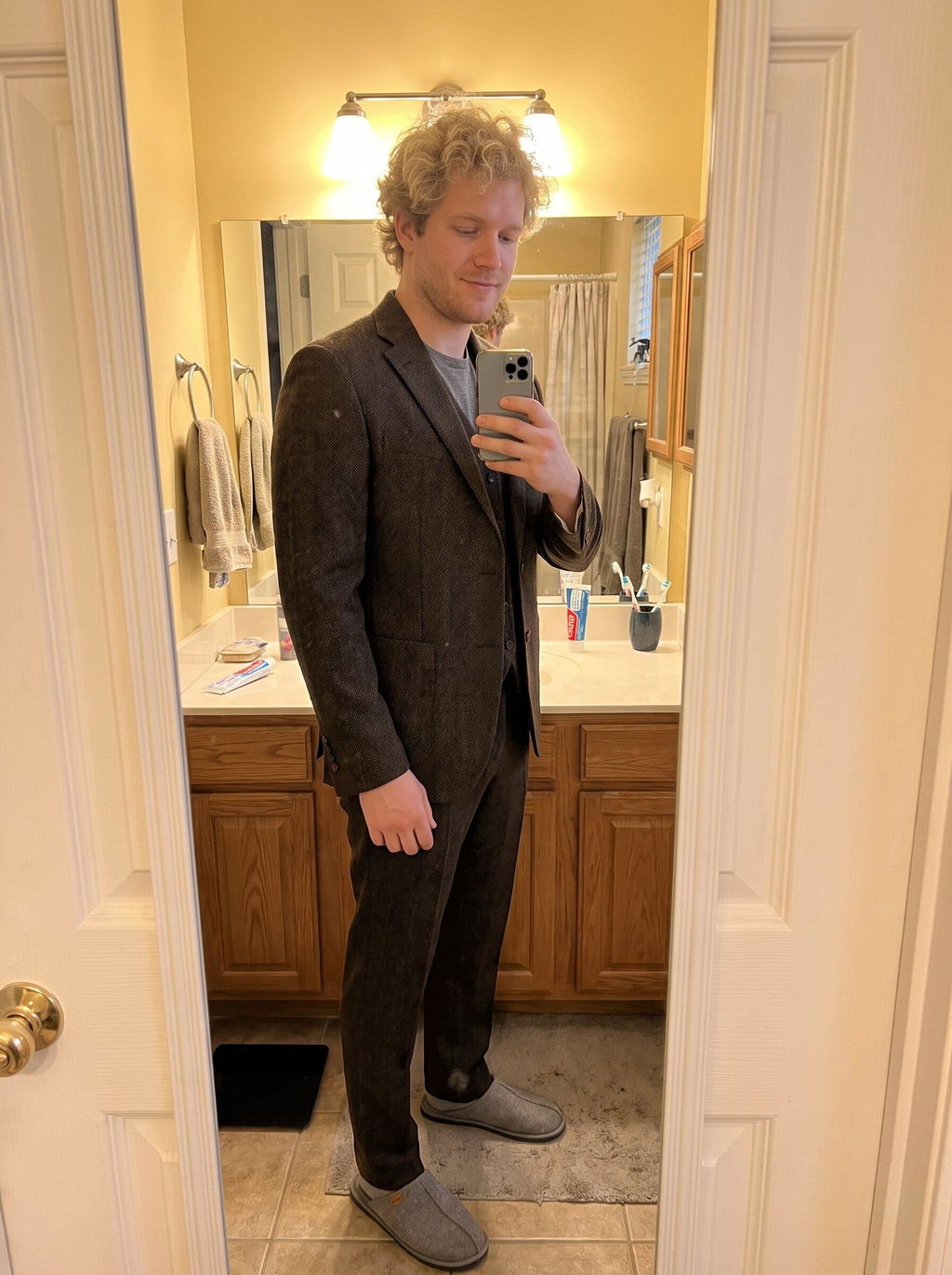
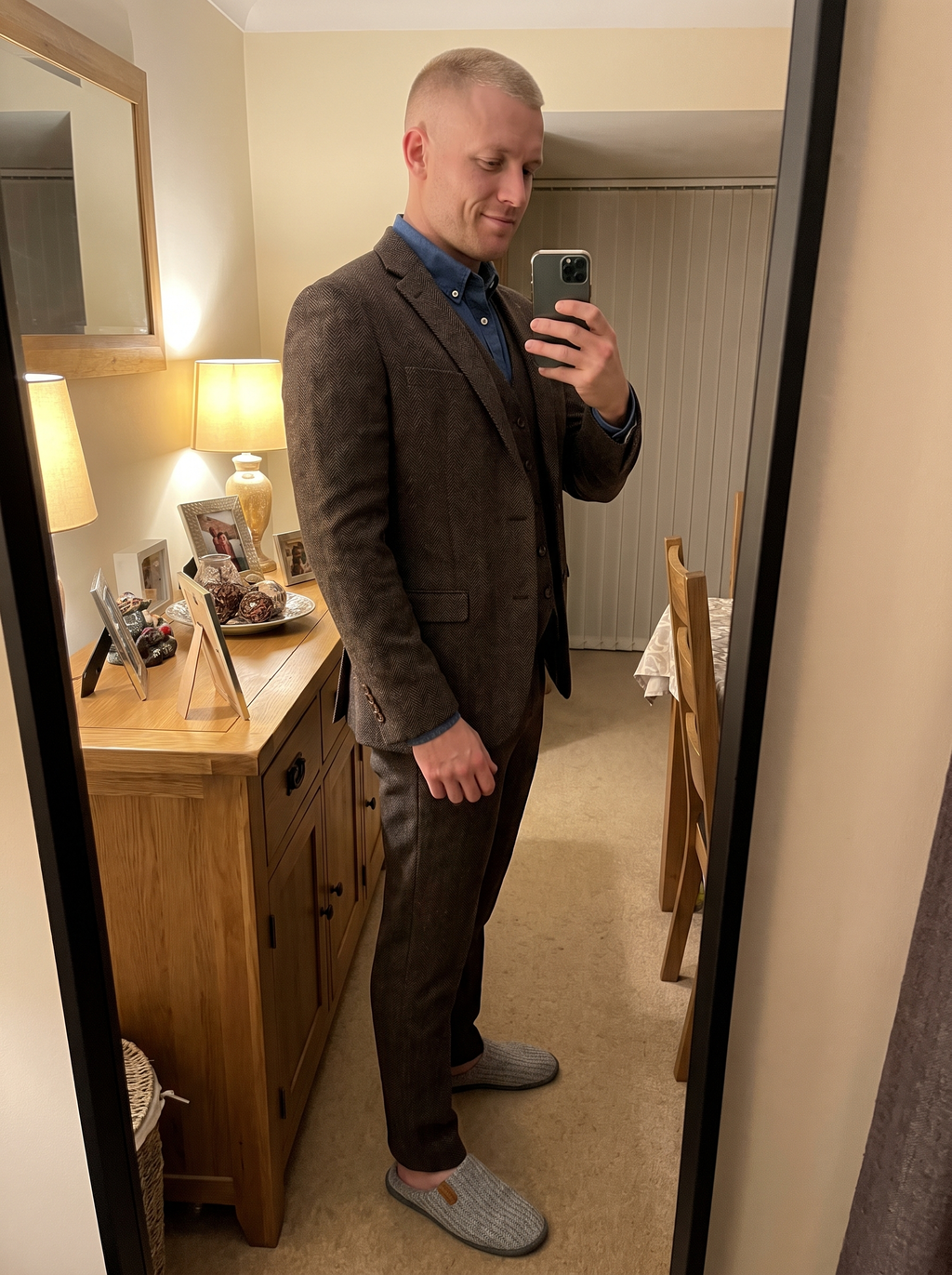
- Brown & camel — Warm, country-inspired elegance.
- Black & dark grey — Formal and dramatic.
Suits Best Made in Herringbone
| Suit Style | Why It Works |
|---|---|
| Two-piece business suit | Clean drape suits the boardroom perfectly |
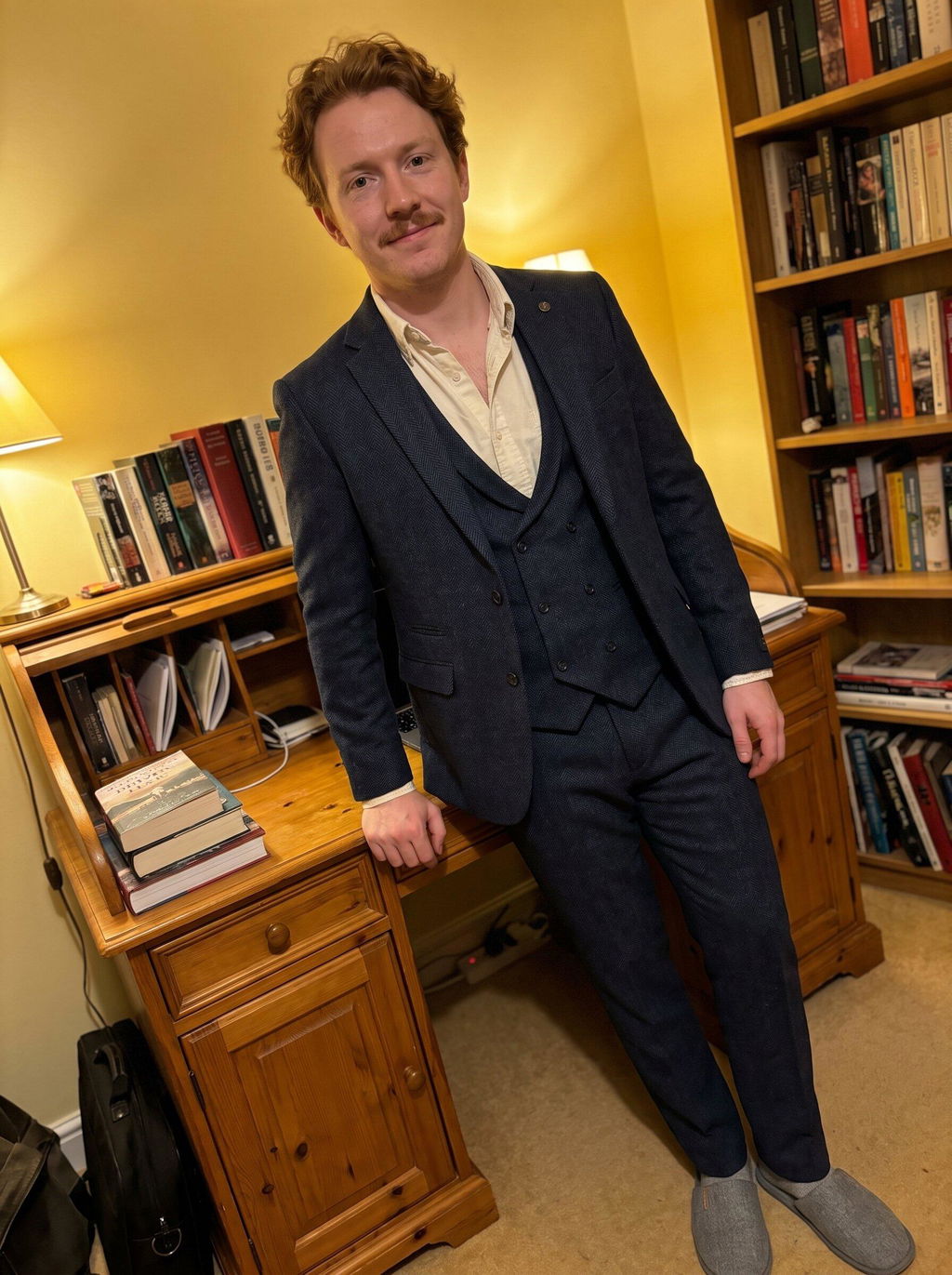
| Three-piece suit | The pattern adds depth without overwhelming |
| Suit trousers | Pairs beautifully with a solid blazer |
| Overcoat | The zigzag pattern elevates a classic silhouette |
Season & Occasion
- Best seasons: Autumn, Winter, early Spring
- Best occasions: Business meetings, formal dinners, weddings (as a guest), theatre, client presentations
- Dress code range: Business formal → Black tie adjacent

A charcoal herringbone suit commands the room without demanding attention — the mark of true elegance.
Part II: Wool Tweed
What Is Wool Tweed?
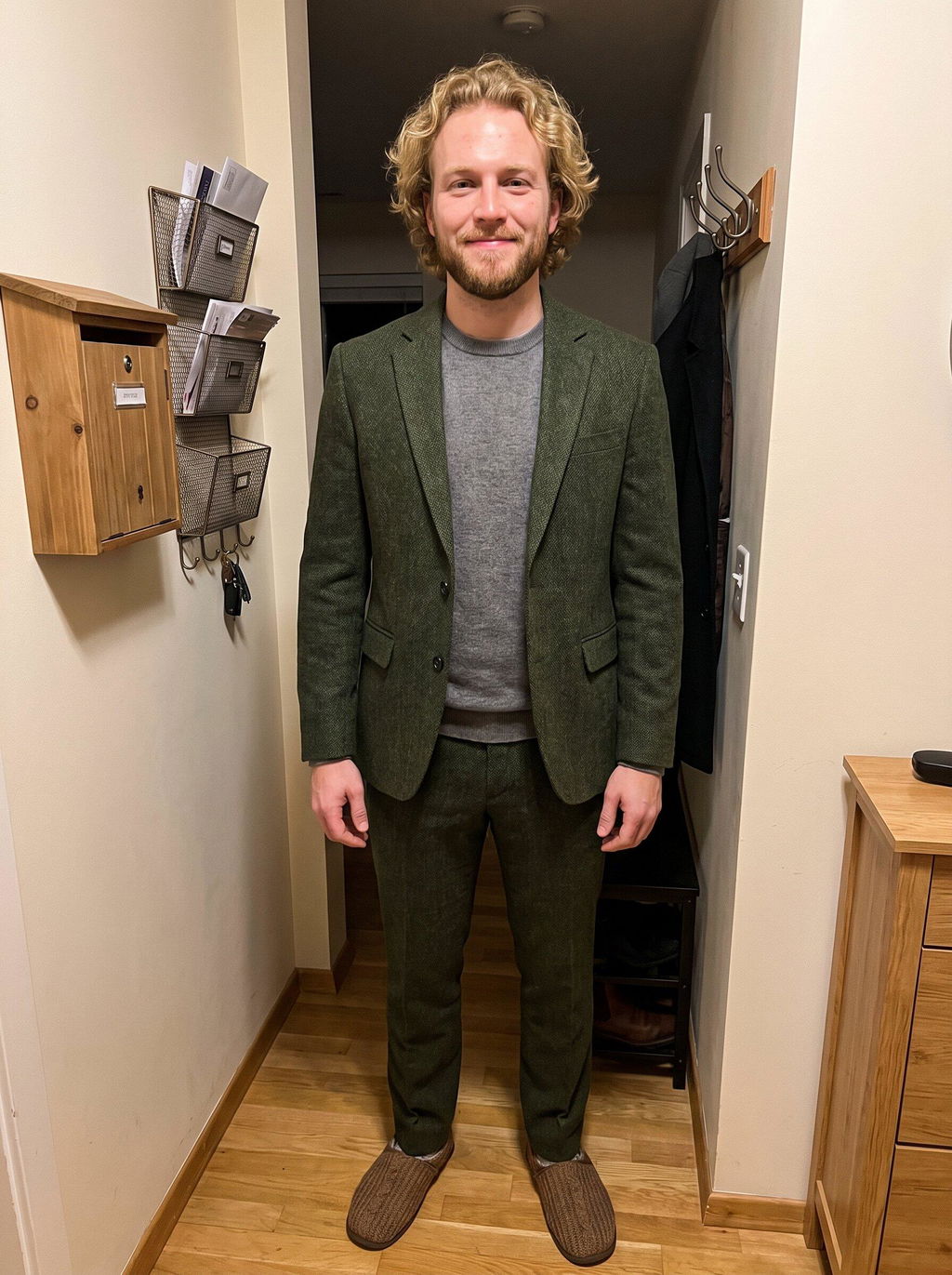
Tweed is one of the oldest and most storied fabrics in British and Irish tailoring tradition. Originally woven in the Scottish Borders and the islands of Harris and Donegal, tweed is a thick, loosely woven fabric made from unfinished wool — meaning the fibres are left with their natural texture rather than being smoothed down.
The result is a fabric with unmistakable character: robust, tactile, and deeply individual.

Characteristics
- Weave: Plain or twill weave with mixed-colour yarns (often flecked or multi-tonal)
- Surface: Rough, textured, visibly fibrous — intentionally rustic
- Weight: Medium to heavy — typically 350g to 600g per metre
- Drape: Structured and stiff — holds its shape independently of the body
- Warmth: Exceptional — the open weave traps air, providing natural insulation
The Major Tweed Varieties
- Harris Tweed — Hand-woven in the Outer Hebrides of Scotland. The only fabric in the world with its own Act of Parliament protecting its authenticity. Dense, durable, and deeply characterful.
- Donegal Tweed — From County Donegal, Ireland. Recognisable by its colourful flecks (called "slubs") woven into the base cloth.
- Saxony Tweed — A finer, softer version with a slightly smoother hand. More suited to tailored suits than outerwear.
Best Colours for Tweed
Tweed's multi-yarn construction means it rarely comes in a single flat colour — and that is its beauty:
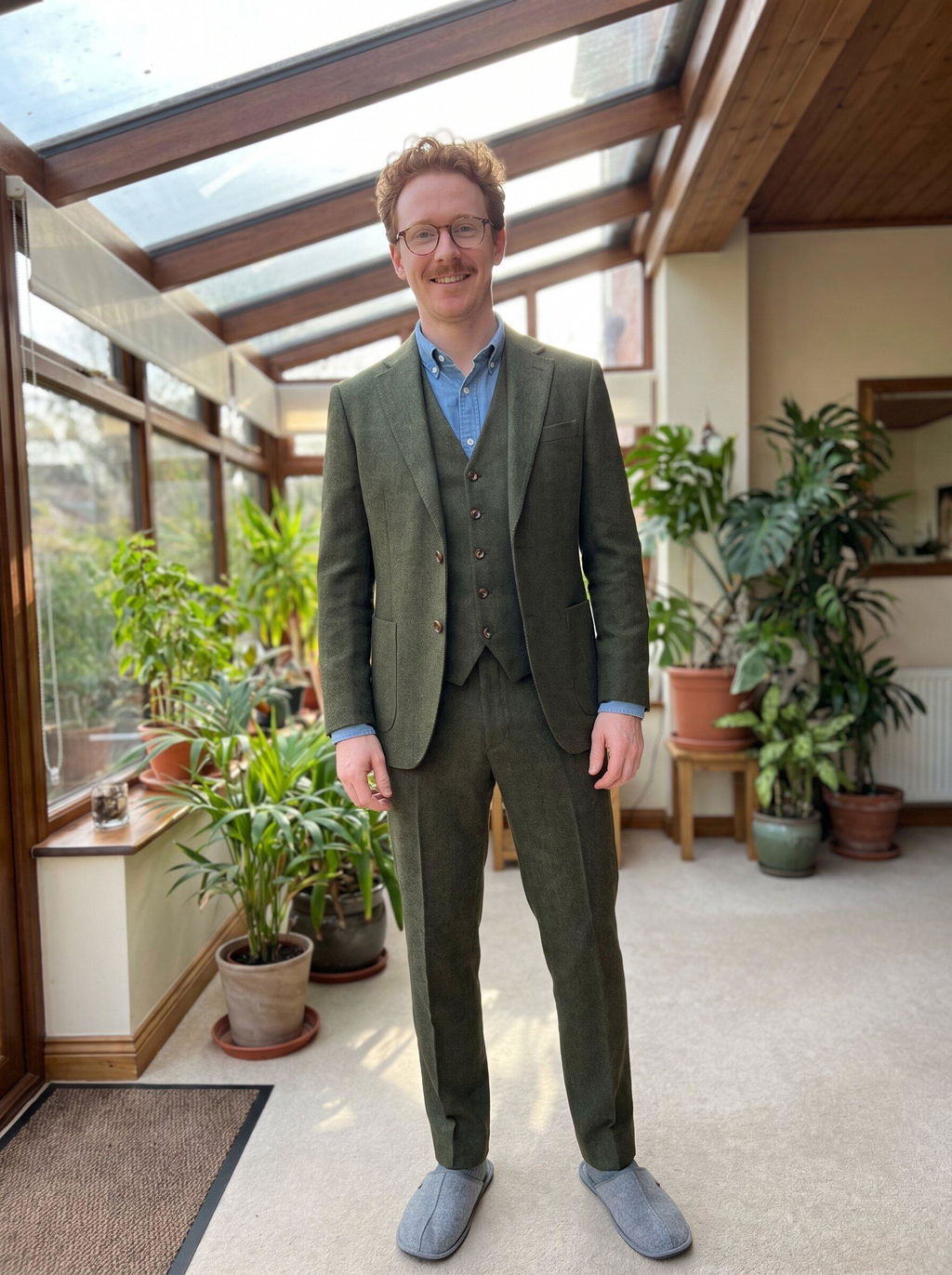
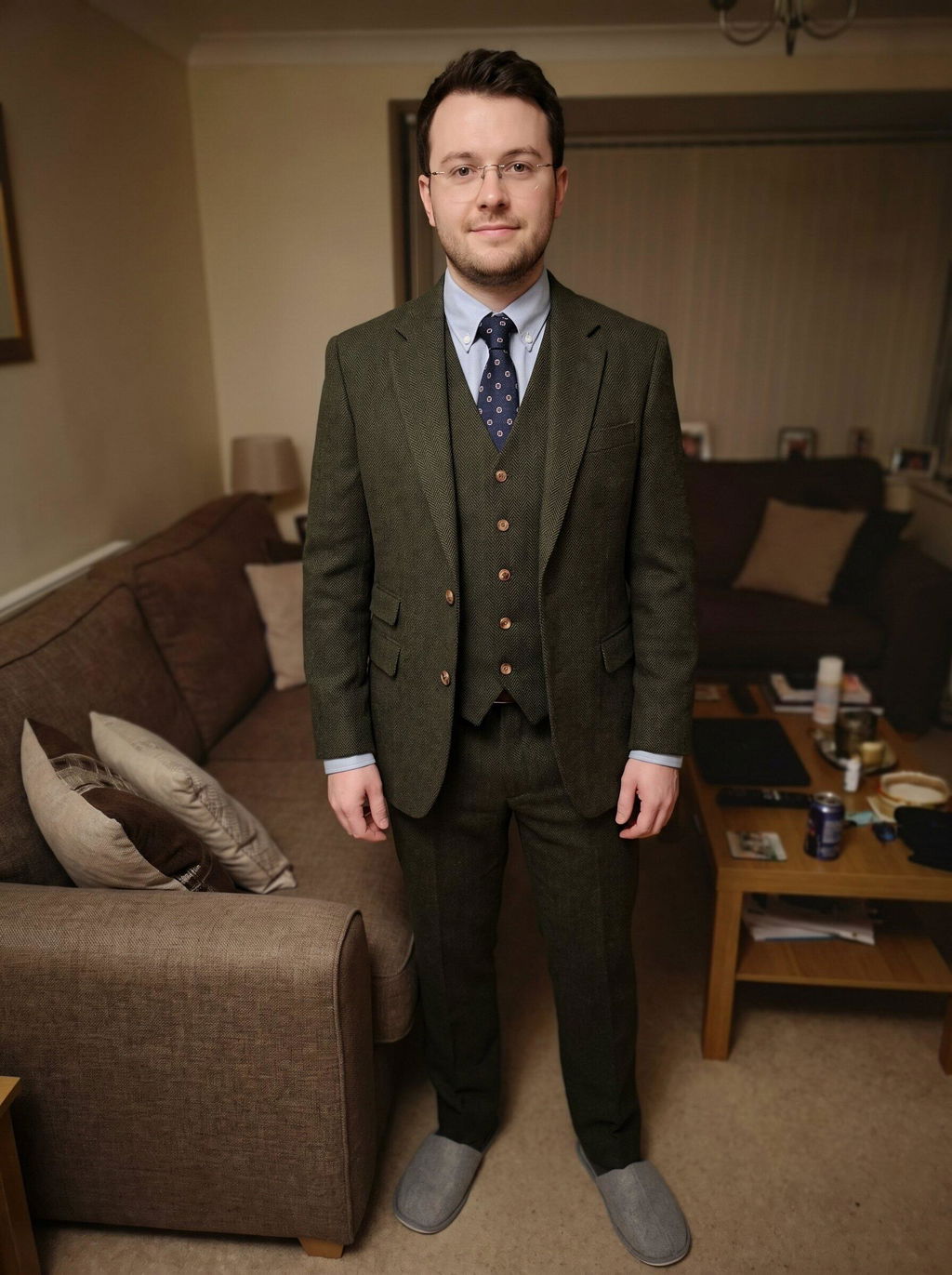
- Heather & moss green — The quintessential country palette
- Camel & rust — Warm autumnal tones
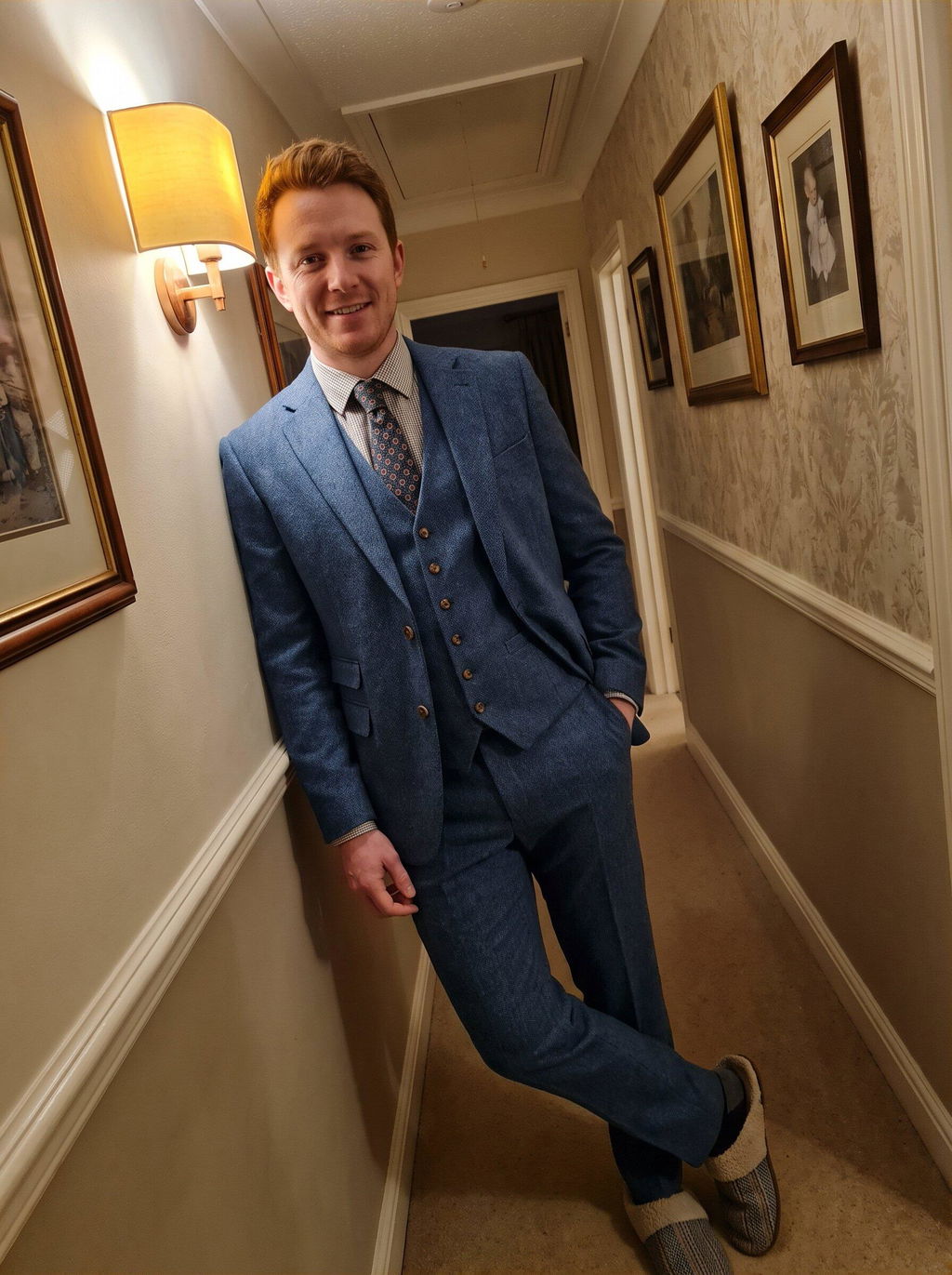
- Navy with flecks of red or gold — Urban tweed at its finest
- Charcoal with cream slubs — Versatile and sophisticated
Suits Best Made in Tweed
| Suit Style | Why It Works |
|---|---|
| Hacking jacket / sport coat | The original purpose of tweed — country pursuits |
| Unstructured blazer | Tweed's texture does the work of structure |
| Three-piece country suit | Waistcoat in tweed is a statement of heritage |
| Overcoat / topcoat | Tweed's weight and warmth make it ideal outerwear |
Note: Tweed is rarely used for full business suits — its texture and weight make it better suited to relaxed tailoring and outerwear.
Season & Occasion
- Best seasons: Autumn, Winter
- Best occasions: Country weekends, horse racing (Royal Ascot, Cheltenham), outdoor weddings, casual Fridays, heritage events, travel
- Dress code range: Smart casual → Country formal

Tweed worn well is not rustic — it is the confidence of a man who knows exactly where he stands.
Side-by-Side Comparison

| Herringbone | Wool Tweed | |
|---|---|---|
| Pattern | Geometric V-shaped zigzag | Mixed-yarn, often flecked or multi-tonal |
| Texture | Smooth to semi-textured | Rough, tactile, visibly fibrous |
| Weight | Light–Medium | Medium–Heavy |
| Warmth | Moderate | High |
| Drape | Fluid and elegant | Structured and stiff |
| Best for | Business suits, formal wear | Blazers, sport coats, outerwear |
| Season | Autumn–Spring | Autumn–Winter |
| Occasion | Formal, business, weddings | Casual, country, heritage events |
| Personality | Refined, authoritative | Characterful, distinguished |
How to Choose Between Them

Choose Herringbone when:
- You need a suit that works across multiple formal occasions
- The setting is urban, professional, or ceremonial
- You want a fabric that photographs beautifully
- You are building a core wardrobe and need versatility
Choose Tweed when:
- The occasion is relaxed, outdoor, or heritage-inspired
- You want a piece with genuine character and longevity
- You are dressing for autumn or winter in a non-corporate setting
- You want a blazer or overcoat that will last decades
A Note on Investment
Both herringbone and tweed, when sourced from quality mills — Loro Piana, Scabal, Holland & Sherry, or the Harris Tweed Authority — represent genuine long-term investments. These are not fast-fashion fabrics. They improve with wear, develop character over time, and hold their structure across years of use.
A well-made herringbone suit, properly cared for, will serve you for fifteen years. A Harris Tweed jacket, for a lifetime.
Buy once. Buy well.
Once you’ve made your choice, we want to ensure the process is as smooth and worry-free as possible. That’s why we offer thoughtful services designed to give you complete peace of mind when selecting your suit.
Enjoy ✨ free shipping and 💎 free customization—always. Because you deserve a shopping experience that is effortless and elegant.